According to analysis by Data Bridge Market Research (DBMR), the global market for pots and planters was estimated at USD 29.60 billion in 2025. Future projections see a sharp rise to USD 35.30 billion in 2026 to USD 70.89 billion in 2030, at a compound annual growth rate of 19.11% during the forecast period. Growth is being driven by rising demand for urban gardening solutions, increasing consumer preference for houseplants and an expansion of sustainable and smart gardening practices. Plastic containers are the largest segment of the market for their affordability whilst biodegradable pots are the fastest growing sector, driven by sustainability trends.
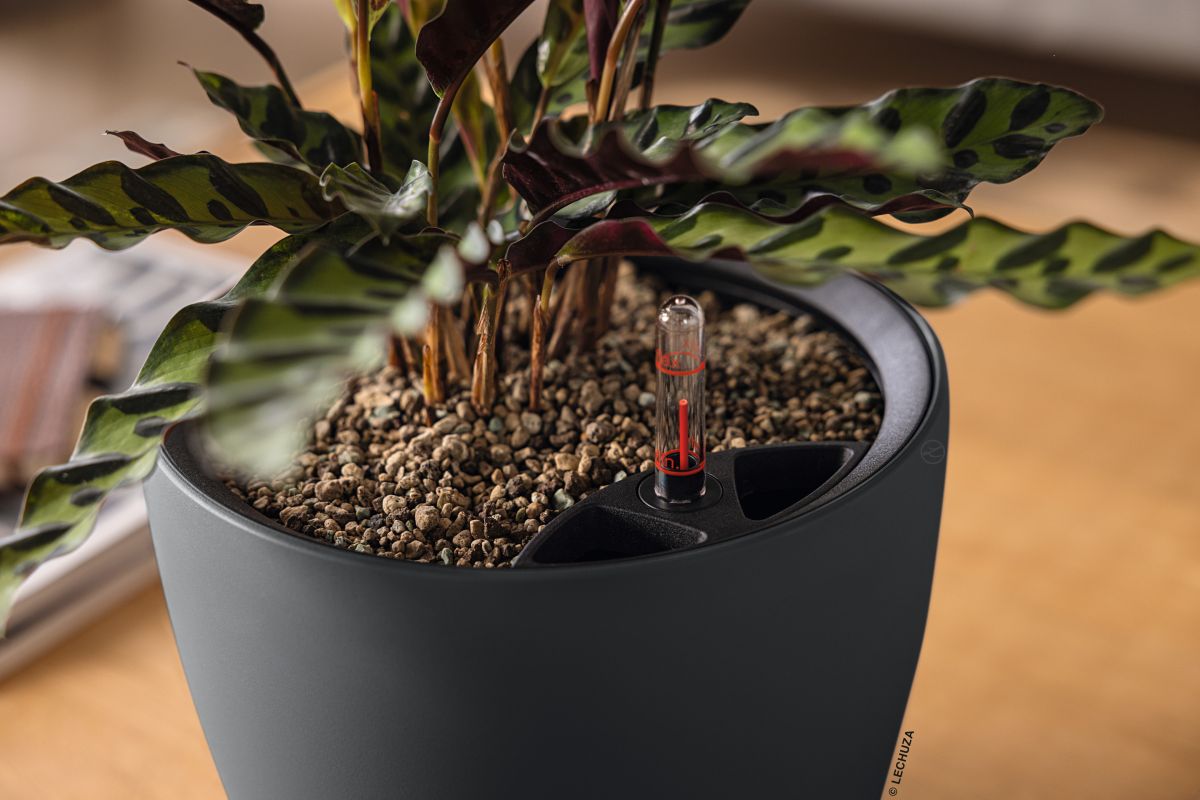
Self-watering pots, moisture sensors and IoT-enabled systems are reshaping product innovation, whilst regulatory focus on sustainable materials and eco-friendly plastics is influencing product development and manufacturing practices. These solutions appeal to time-constrained urban consumers, with North America and Europe leading the adoption of smart gardening technologies. Continuous R&D investments are driving product differentiation and premiumisation.
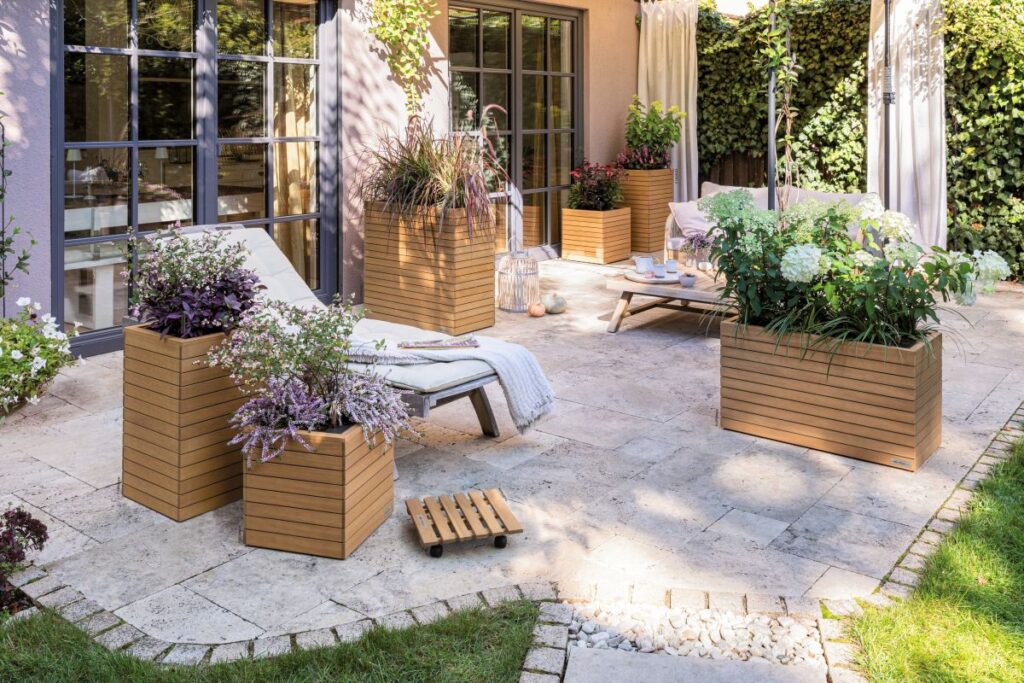
Planter images by Lechuza
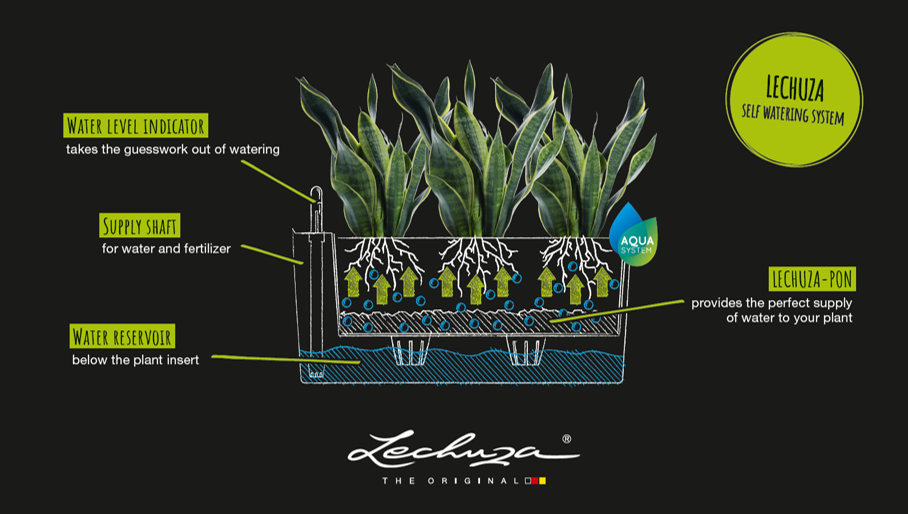
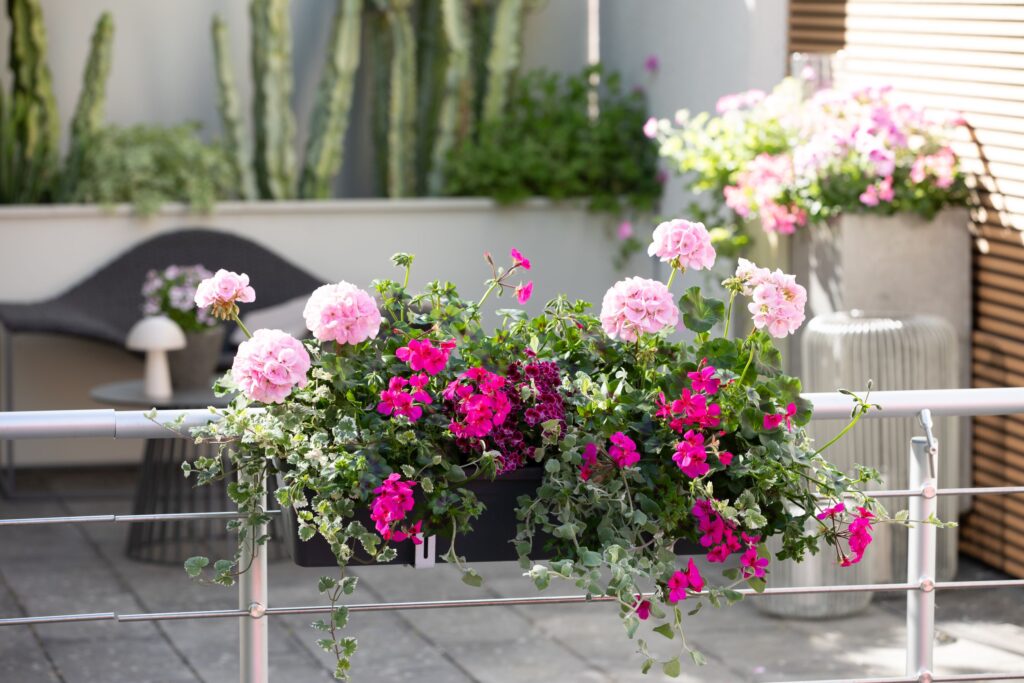
Image by Pelargonium for Europe
Key Findings
North America holds the largest market share (~35-38%) driven by high adoption of home gardening and landscaping trends, advanced retail infrastructure, and high spending on landscaping products
Asia Pacific is the fastest-growing region due to urbanisation, increasing disposable income, a rise in apartment gardening and government initiatives promoting green spaces
Plastic gardening pots segment dominates the market owing to cost efficiency and durability
Residential gardening remains the dominant segment due to rising interest in indoor plants, balcony gardening, and aesthetic home décor incorporating houseplants.
The growth of online retail platforms has improved accessibility to a wide range of gardening pots globally, allowing manufacturers to reach a broader consumer base with competitive pricing. Asia-Pacific and Latin America are witnessing rapid digital retail expansion. This enhances product visibility and accelerates market growth.
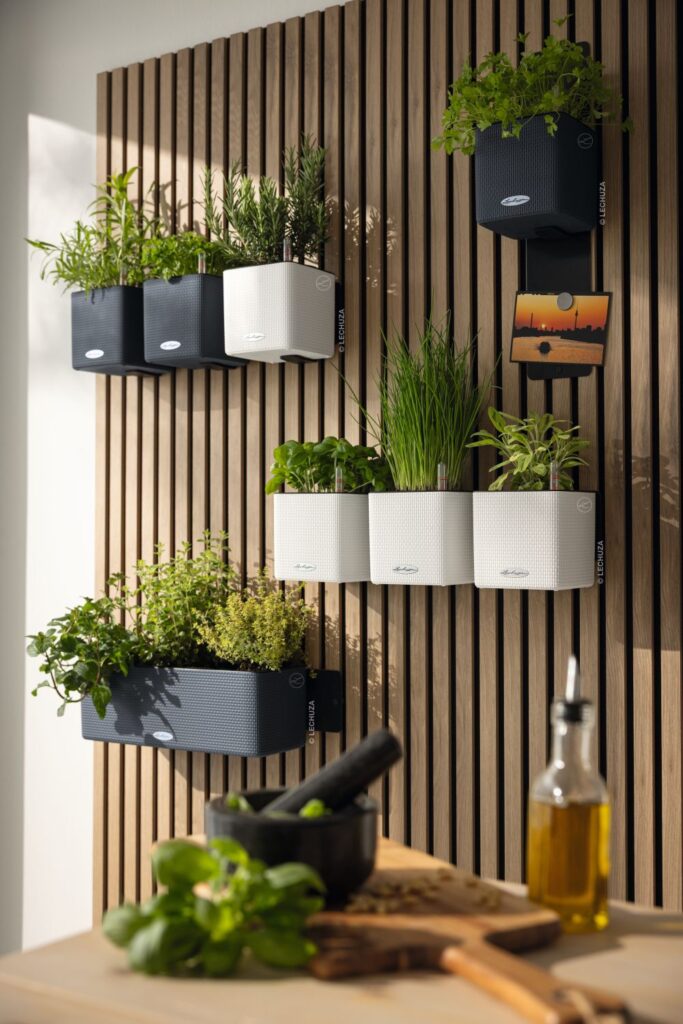
Modular Green Wall by Lechuza
Rising Urban Gardening and Indoor Plant Trends
A key market driver is urbanisation and apartment dwelling, which has led to reduced outdoor spaces and increasing demand for compact gardening solutions, including containers. Consumers in metropolitan regions across North America, Europe, and Asia-Pacific are also cultivating indoor plants for aesthetic and health benefits. This trend is particularly strong among millennials and apartment dwellers. Social media influence and lifestyle changes further accelerate adoption.
Consumers are increasingly opting for eco-friendly and biodegradable gardening pots made from recycled materials. Governments in Europe and North America are promoting sustainable products through regulations and incentives. Manufacturers are investing in green materials to align with environmental standards. This shift significantly supports long-term market expansion.
The rise in home renovation and landscaping projects, given a huge boost during lockdowns – have led to rising demand for decorative and functional pots. Post-pandemic lifestyle changes have reinforced interest in home improvement. Developed regions such as the U.S. and Europe show high spending in this segment, a trend which supports consistent demand growth across product categories.
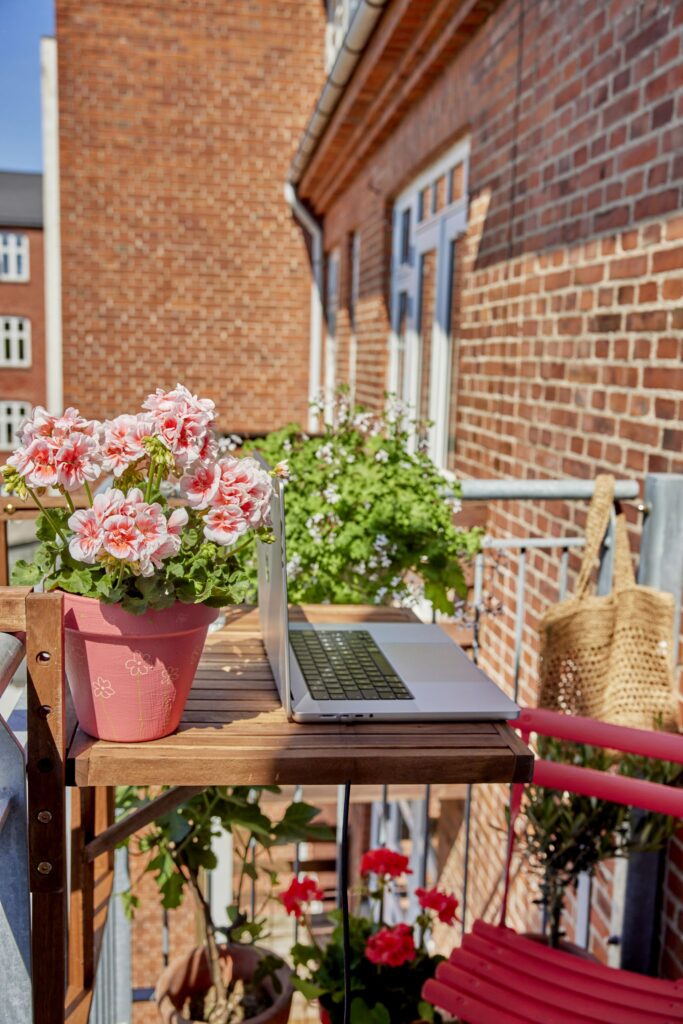
Image by Pelargonium for Europe
Market Challenges and Restraints
The cost of raw materials such as plastics, ceramics, and metals is highly volatile. Supply chain disruptions and geopolitical tensions impact pricing stability. Manufacturers face challenges in maintaining profit margins. This restraint is particularly significant in emerging markets with cost-sensitive consumers.
Despite cost advantages, plastic pots face criticism due to environmental impact. Regulatory restrictions in Europe and North America limit the use of non-recyclable plastics. This creates compliance challenges for manufacturers. Transitioning to sustainable materials increases production costs.
The market is highly fragmented with numerous local and international players. Intense competition leads to price wars and reduced profit margins. Small-scale manufacturers struggle to compete with large brands. This limits innovation investments in certain regions.
Global supply chain disruptions affect raw material availability and distribution efficiency. Transportation costs have increased due to fuel price fluctuations. Emerging markets face infrastructure limitations. These factors hinder timely product delivery and market expansion.
In several parts of Africa and Latin America, awareness of modern gardening practices remains low. Traditional farming methods dominate, limiting adoption of gardening pots. Lack of disposable income further restricts demand. This slows market penetration in underdeveloped regions.
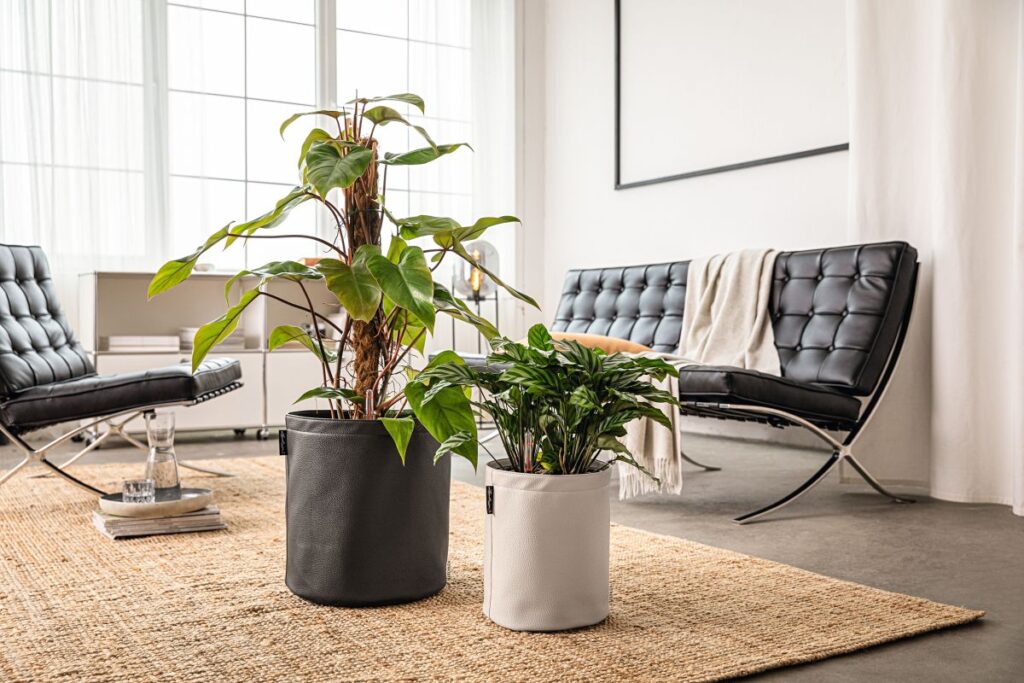
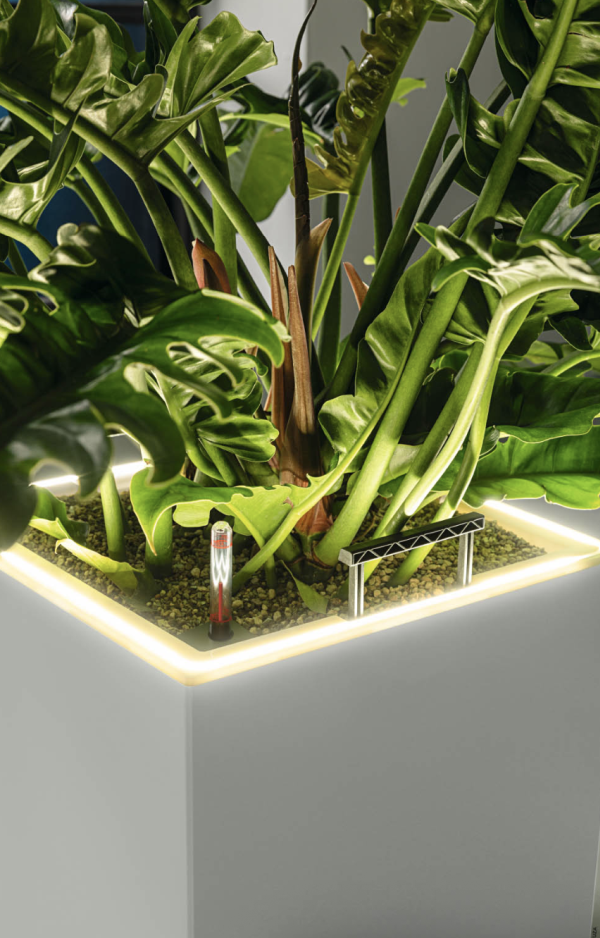
Image above and below by Lechuza
Market Opportunities
Increasing demand for eco-friendly gardening solutions creates significant growth opportunities. Manufacturers can develop biodegradable pots using natural fibre and recycled materials. Europe and North America offer strong market potential due to strict environmental regulations. This segment is expected to witness high CAGR growth.
Asia-Pacific, Latin America, and the Middle East & Africa present untapped opportunities. Rapid urbanisation and rising middle-class population drive demand. Government initiatives promoting green infrastructure further support market growth. Local manufacturing expansion can reduce costs and improve accessibility.
The adoption of IoT and automation in gardening pots presents new revenue streams. Smart pots with sensors and app connectivity attract tech-savvy consumers. Developed markets lead adoption, but emerging regions are catching up. Innovation in this segment offers high-margin opportunities.
Hotels, offices, and commercial spaces increasingly use decorative plants for aesthetic appeal. This drives demand for premium and customised pots. The hospitality sector in regions like Asia-Pacific and the Middle East is expanding rapidly. This creates sustained demand for high-quality products.
Online platforms enable manufacturers to bypass intermediaries and increase margins. Direct-to-consumer strategies enhance brand visibility and customer engagement. Rapid digital adoption in Asia-Pacific and Latin America supports this trend. This channel is expected to grow significantly over the forecast period.
Market Segmentation & Analysis
The market is segmented into plastic pots, ceramic pots, metal pots, and biodegradable pots. Plastic pots dominate the market with over 45% share due to affordability, lightweight properties, and durability. Ceramic pots are preferred for aesthetic applications, especially in premium residential segments. Biodegradable pots are the fastest-growing segment with a projected CAGR exceeding 21%, driven by sustainability trends. Increasing environmental awareness is accelerating adoption across Europe and North America.
The market is categorized into residential and commercial applications. Residential applications hold the largest market share due to increasing indoor gardening and home décor trends. The segment is driven by urban lifestyles and rising disposable income. Commercial applications, including offices and hospitality sectors, are growing steadily with a CAGR of ~18%. Increasing demand for landscaping and aesthetic enhancements supports this segment’s growth.
End-users include households, commercial establishments, and institutional buyers. Households dominate the market due to widespread adoption of gardening practices. Commercial establishments such as hotels and offices are expanding rapidly. Institutional buyers, including municipalities and educational institutions, contribute to steady demand through urban greening initiatives.
The market is also segmented into offline retail and online/e-commerce. Offline retail remains dominant due to established distribution networks. However, e-commerce is the fastest-growing segment with a CAGR above 22%. Online platforms offer convenience, variety, and competitive pricing. Increasing digital penetration in Asia-Pacific significantly boosts this segment.
Regional Analysis
North America is the largest market, contributing approximately 35-38% of global revenue. High adoption of home gardening and landscaping drives demand. The presence of major manufacturers and advanced retail infrastructure supports growth. The U.S. leads the region with strong consumer spending and innovation in smart gardening solutions. Regulatory support for sustainable products further enhances market expansion.
Europe is a mature market with steady growth driven by sustainability regulations and environmental awareness. Countries such as Germany, the U.K., and France lead adoption. Strong R&D investments and eco-friendly product demand shape the market. Regulatory frameworks promote biodegradable materials. The region shows consistent demand across residential and commercial applications.
Asia Pacific is the fastest-growing region with a CAGR exceeding 21%. Rapid urbanization, increasing disposable income, and rising interest in home gardening drive demand. China, India, and Japan are key contributors. Government initiatives promoting green infrastructure further boost growth. Expanding e-commerce platforms enhance market accessibility.
Latin America is an emerging market with moderate growth. Infrastructure improvements and urbanization support market expansion. Brazil and Mexico are key contributors. However, economic constraints and limited awareness hinder growth. Gradual adoption of modern gardening practices is observed.
The region shows steady but slower growth due to infrastructure limitations. Government initiatives promoting urban greening and landscaping support demand. Private sector investments are increasing, particularly in Gulf countries. However, economic and climatic challenges restrict rapid expansion.