UK garden retailers must look beyond the spring peak to grow demand, says GlobalData.
Garden retailers are missing an opportunity to drive year-round demand by concentrating promotional activity around the spring peak, when consumer purchasing is already at its strongest, according to research analyst, GlobalData.
GlobalData’s latest report, “UK Retail Hot Topics: Gardening 2026,” reveals that 70.9% of consumers begin purchasing gardening products between March and May. However, younger shoppers offer retailers a route to more consistent demand throughout the year. Consumers aged 25-34 are the least likely to have access to a garden or outdoor space (69.2% have garden access), which helps explain why they are also the most likely age group to purchase gardening products all year round (35.7%).
With less reliance on conventional garden spaces, demand among the 25-34 age group is more likely to come through smaller, lifestyle-led missions such as balcony planting, indoor growing, houseplants and grow-your-own projects, which garden centres can tap into to attract a new customer base and achieve more consistent revenue throughout the year.
Ashley Adeyemi, Retail Analyst at GlobalData, comments: “Spring will always remain the key trading period for gardening, but retailers cannot rely on seasonal demand alone to grow the category. Weather is still the biggest purchase trigger, but its influence is weakening, while replacement purchases, hobby gardening, and new outdoor spaces are becoming more important. Retailers must therefore create reasons for consumers, particularly younger shoppers, to engage beyond the traditional spring peak.”
Reduced prices (47.2%) and percentage discounts (45.6%) are the most attractive types of promotional offers to consumers when selecting a retailer, but garden centres should use these offers to encourage follow-up purchases throughout the year, not just to win share during the busiest months. Consumers aged 25-34 are also the most responsive to spend-threshold discounts (42.7%), likely reflecting their status as newer gardeners. As starting a gardening project often requires several purchases at once, from plants and pots to tools and growing media, these offers can reduce the upfront cost and encourage larger baskets.
Adeyemi continues: “Retailers should instead pair value with practical support by making gardening feel easier for younger shoppers to start and continue. Beginner growing kits, houseplants and balcony-friendly ranges, plant bundles, and project-based promotions can make initial purchases feel more manageable, while offering expert advice can help retailers stand out from online specialists such as Patch. Seasonal ‘what to plant’ content should also be adapted for TikTok and Instagram, using short-form videos, before-and-after project updates and live Q&As to build engagement. Gardening calendars, digital reminders, workshops and online drop-in sessions can then encourage shoppers to return as their projects develop.”
Loyalty schemes are more important for older consumers, peaking among those aged 55-64 (34.7%), reflecting stronger existing engagement, and are weaker among younger shoppers (at just 12.1% among 16-24).
Adeyemi concludes: “Exclusive member events, personalised seasonal offers, gardening clubs and plant clinics can deepen engagement with existing gardeners, while younger audiences will require a greater focus on inspiration, education and accessible value to turn gardening from an occasional purchase into a longer-term habit.”
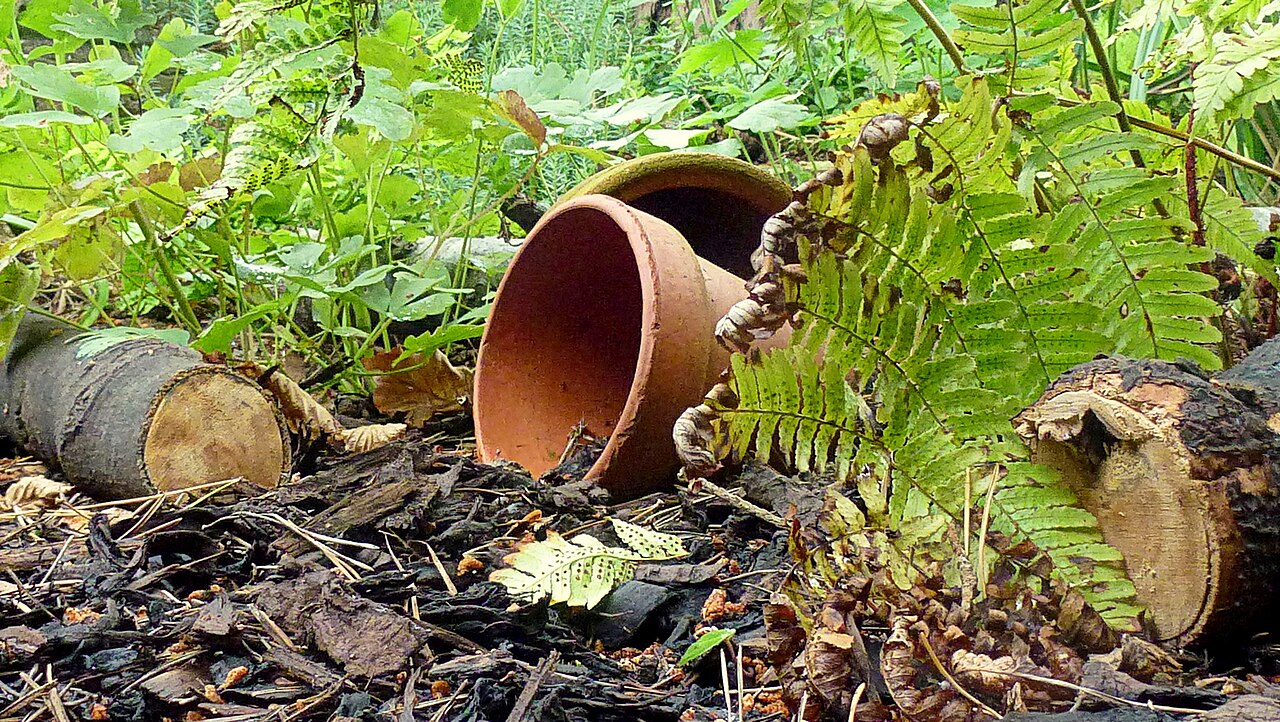
Ferns, Pots & Logs photographed by Jonathan Billinger and is licensed for reuse under Creative Commons Share Alike Generic License.