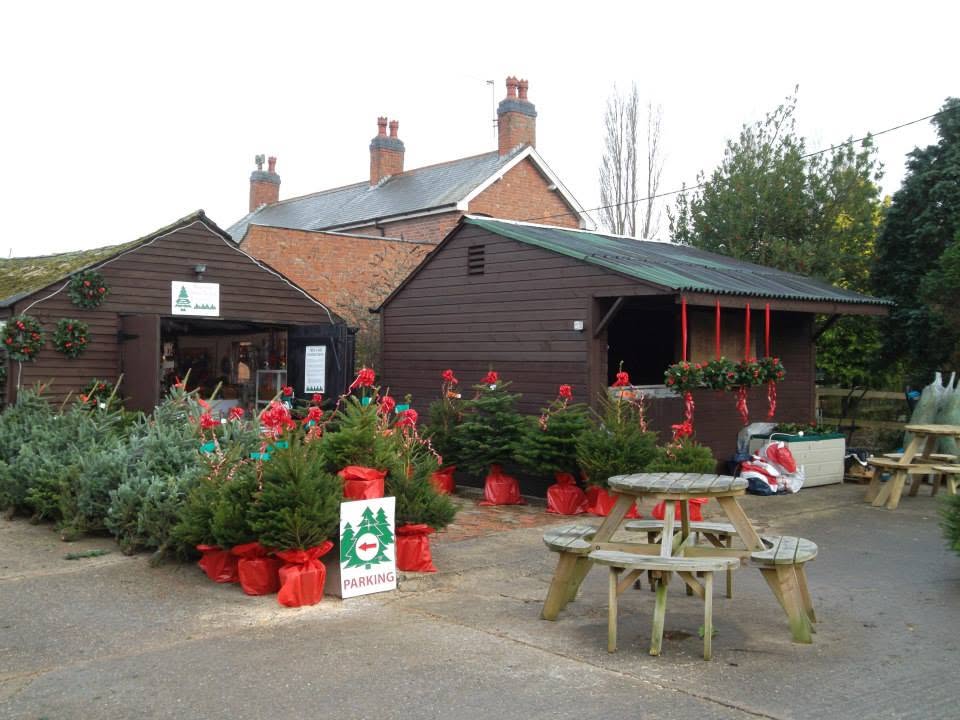
We’re still in the flush of Summer, yet for Cadeby Tree Trust, a British Christmas tree grower and its sister company, The Christmas Cabin, a supplier of Christmas tree retail equipment, thoughts always tend towards the festive period.
Garden centres too are better served if they begin their planning for the festive season nice and early. Sarah Flamson, managing director of Cadeby Tree Trust and The Christmas Cabin, argues that the layout of the Christmas tree sales area can make a major difference to both customer experience and staff efficiency over the course of the season.
Real Christmas tree retail is a short, intense trading period. At peak times, customers need to browse, compare, choose, pay, net and collect their tree without confusion or bottlenecks. A well-planned layout can help retailers reduce queues, improve safety and make the sales area feel more enjoyable and easier to shop.
The best first step is to think about customer journey from arrival to exit. Customers should be able to enter the tree area, understand the range available and move easily between sizes and varieties while still being able to ask for help, make their selection, have the tree netted and pay without crossing back through the main browsing area. Such a set-up isn’t all that easy, and as such, preparation is key.
Where space allows, retailers should separate the sales area into clear zones: browsing, display, advice, payment, netting and collection. Netting should sit close to the exit/collection point to avoid blockages, and accurate signage is a huge advantage in this regard.
Tree display is another key factor. Grouping trees by height, variety or price band helps customers compare options quickly. Clear signage (you may be sensing a theme here) again helps reduce repetitive questions and allows staff to focus on advice and handling. Retailers may also want to create a small premium display area for larger or more decorative trees, particularly if they sell to customers looking for a centrepiece tree for a hallway, shopfront or public space.
Stands and display systems should be positioned to show trees upright wherever possible. Customers often find it easier to visualise a tree when it is standing naturally, rather than lying in a pile. Upright displays can also help protect trees from unnecessary handling and make the area look more attractive from the entrance.
Similarly, the netting station needs enough space for staff to work safely, with room for trees waiting to be netted and customers waiting to collect them. Funnels, netting stock, spare blades, gloves and other handling equipment should be kept close to hand. Signs are yet again your best friend: A simple “wait here” or “tree collection” will do the trick more often than not.
Payment position is another key decision. Some retailers prefer payment before netting, while others prefer customers to pay after their tree has been prepared. Either approach can work, but the layout should make the process obvious – or at least, as obvious as one can get in this frantic environment.
This all said, safety first should always be the mantra. Walkways need to be wide enough for customers carrying trees, buggies and trolleys. Staff should have a clear route for moving stock from holding areas to the sales floor. Larger trees should be displayed securely, and any trip hazards from pallets, stands, cables, ropes or uneven ground should be removed or clearly managed. The last thing the customer (or the retailer) needs is a nasty slip at this time of the year.
As ever in the UK, the weather is another crucial factor. While its often out of our hands on what the climate decides to do, a well-lit, easy to navigate floor space with clear price boards, covered payment points and defined collection areas can help massively during darker afternoons and busy December weekends.
Last but by no means least, things must be considered from the staff perspective. The best Christmas tree areas don’t just work with customers in mind, but those that attend to them as well. Restocking, advising, lifting, netting, direction of customers – staff should always be able to perform these tasks without crossing queues or moving through tight spaces with trip hazards.
As Sarah puts it: “Christmas tree retail is a short period, but a messy, intense one. Preparation is key.”