Garden Centre Buyer attended the excellent Four Oaks trade show in Cheshire last week, where a superb array of plants and horticultural care products and accessories were presented to buyers from around the country.
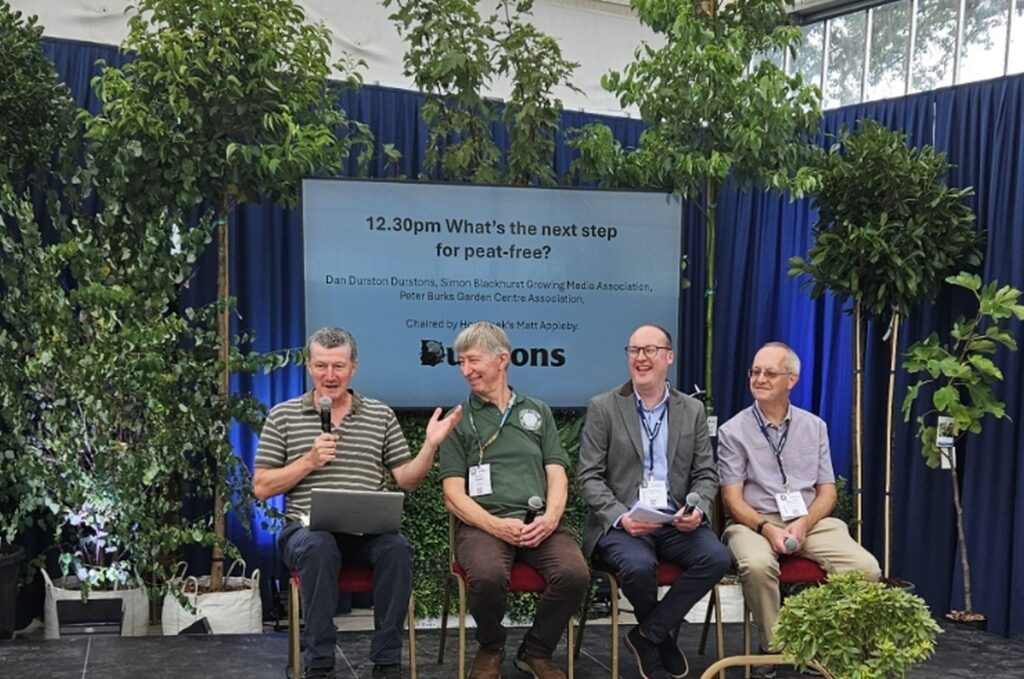
One of our top priorities at the show was to see how the complex peat-free issue has been progressing, so we attended the panel discussion sponsored by Durston Garden Products and chaired by Hort Week editor, Matthew Appleby. Matthew was joined by Peter Burks from the Garden Centre Association (GCA), Fleurie Nurseries’ Steve Carter and Simon Blackhurst from the Growing Media Association (GMA).
Our key takeaways from the session are as follows:
Education to combat misinformation and misunderstanding
There is still a lot of misinformation and misunderstanding around peat free amongst both consumers and also many garden centre employees
- Garden Centres nevertheless have a responsibility to educate their customers not just on how to use peat free growing media, but growing media, feed, mulch and compost generally.
- To achieve this, staff must be encouraged to do the necessary training and educational programmes that will enable them to successful explain and sell the product to customers.
- The industry still has a lot of work to do to repair damage done to the perception of peat-free growing by inferior products which entered the market at the start of this environmentally-driven campaign. There are still products on the market which do not perform as they should, whilst others may perform even better than peat-based soils.
- The label ‘Multi-Purpose’ compost is something we need to move away from as an industry, given the very different requirements of seeds, seedlings, young plants, mature plants, ericaceous-loving plants, cacti, citrus, palms etc, which mean one size cannot fit all.
- Quality and consistency has a cost implication and bargain basement products probably cannot meet the required standard. The GMA
The backdrop to the discussion was that the industry has been talking about peat-free for years, but where are we now, given the lack of decisive Government action and the balancing act required between enabling British commercial growers to remain competitive and guiding consumers towards more environmentally-friendly gardening.
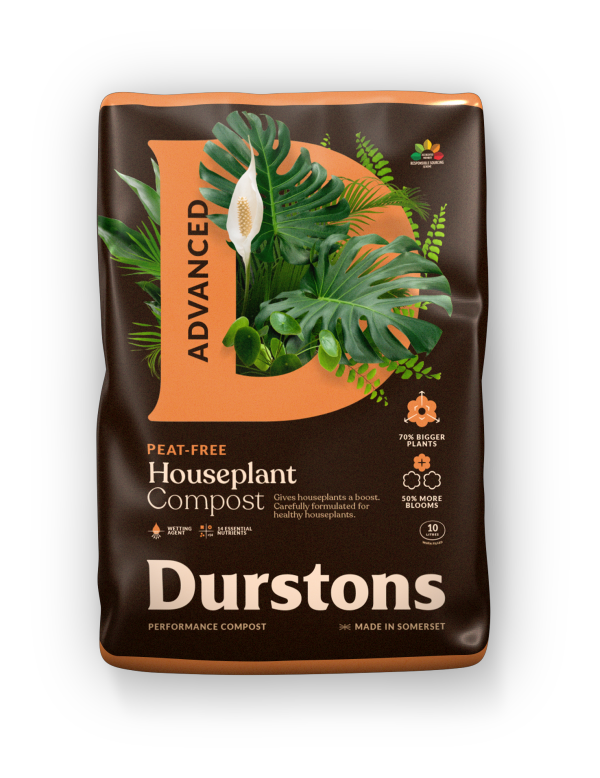
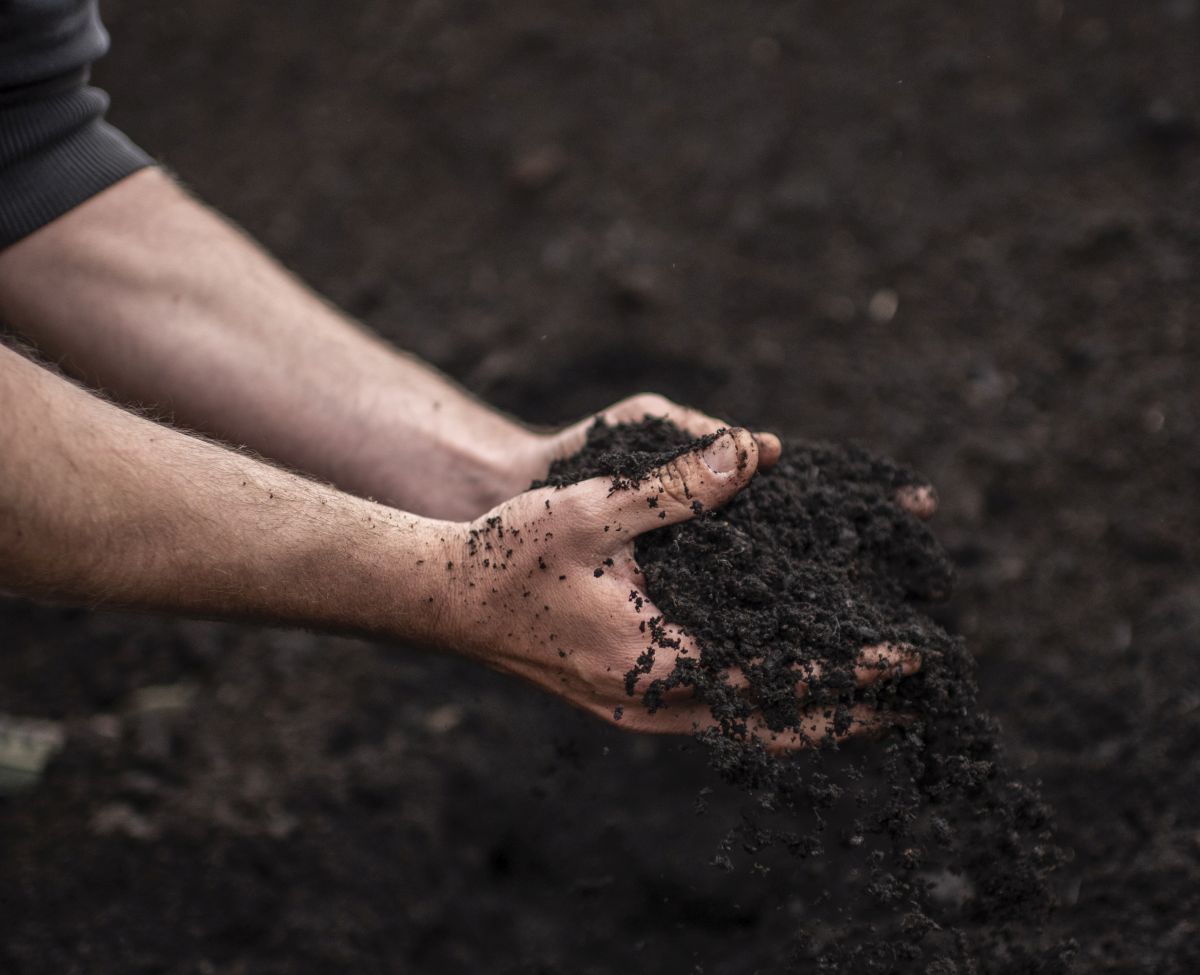
There was a general consensus that the industry has done extremely well in moving towards peat free, with major investments, research and development from market-leading suppliers. This means that good quality peat-free products are widely available to consumers.
Peter said that “the industry has moved miles already….it’s definitely possible to grow really good quality plants in peat free soil” and that “peat-free should be the new normal”.
Significant challenges remain, however, as detailed above. With thousands of garden centre employees requiring not just education about how to properly use – and sell – peat free, but also reassurance that the products being sold are of a sufficiently high quality to perform as required. In addition, commercial growers are still struggling to make the transition and concerns around quality and consistency remain.
Peter acknowledged that “some garden centres are finding it difficult to cope and aren’t [necessarily] keen [to work with peat free]”, but the GCA is trying to help its members make the transition.
Complicating an already complex situation, the National Trust is pledging to go peat-free, but the RHS appears to be rowing back a bit, having run into difficulty with its flagship Chelsea Flower Show gardens and displays. This begs the question as to whether certain sorts of plants are sustainable at all and whether we need to start steering retail customers towards simpler (if more limited) options and plants that are specific to certain regions.
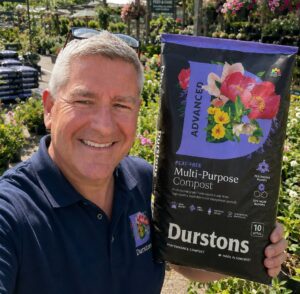
This is where Durstons comes in, having made a huge investment in R&D and just this week opening a state-of-the-art new facility at their base in Somerset. This facility is capable of producing massive amounts of product, sufficient to serve the growing number of garden centres which are keen to offer top quality peat-free to their customers.
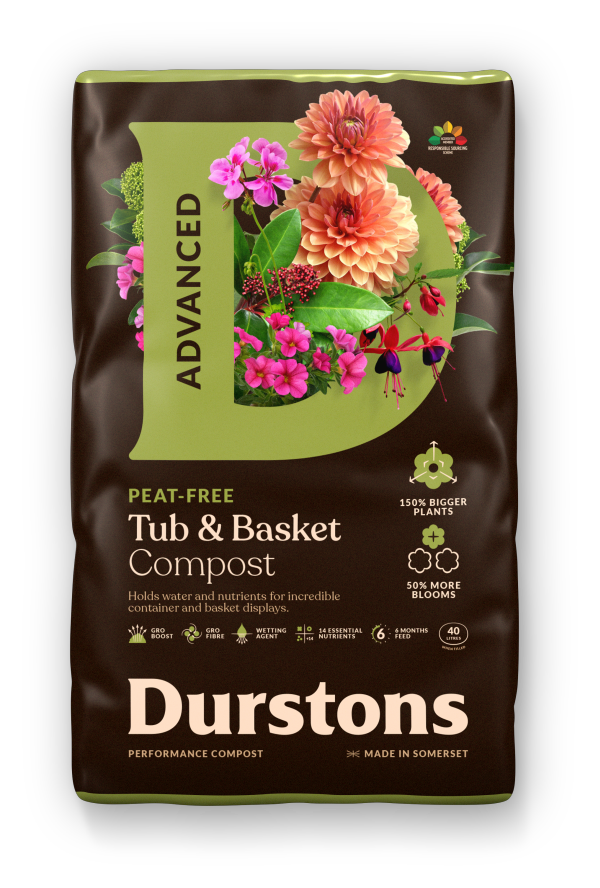
In recognition of their achievement and quality of their growing media, Durstons won the Four Oaks Best Retail Product/Service for its peat free Tub & Basket Compost on day one of the show.
In conclusion, the need for education and staff training was reiterated several times, as was the need for clearer government guidance. More detailed advice on watering and feeding when using peat free soils – with appropriate product availability – are also necessary to help the end-user achieve good results. Finally, is it time to revise the 8-week shelf-life rule, which growers are finding is a bit too long for peat free.