Small spaces, big shifts: from balconies to ledges and shared gardens, a growing number of Europeans are turning compact areas into everyday green retreats, driven by growing interest and wellbeing benefits.
A quarter of Brits actively take part in urban gardening, including growing plants, flowers or vegetables on balconies, rooftops and window ledges, as well as caring for indoor or shared gardens, turning them into personal green retreats. What was once considered a limitation, the lack of space, is now being reinterpreted as an opportunity to cultivate greenery in new, more agile ways.
These are the findings of the 2026 edition of the “Gardens of Europe” survey, commissioned by STIGA, a manufacturer of garden care machinery and equipment. The YouGov commissioned survey analysed how people engage with green care across five countries in Europe, highlighting not only behaviours, but also the evolving role that gardening plays in shaping lifestyles, habits and personal wellbeing.
Urban gardening is no longer a niche activity, but a widespread habit. Today, participation is highest in London, where 40% of respondents engage in urban gardening, followed by the North of England at 27%.
A clear majority of urban gardeners, surveyed across Europe, say they are more interested in gardening today than five years ago. The UK leads this trend (65%), followed closely by Germany (64%) and Italy (63%); France records 60%, while Spain reaches 55%. Together, these figures highlight a clear shift from occasional interest to a more consistent and widespread engagement with gardening, even in urban environments.
Urban gardeners aren’t defined by space, but by how they use it. Gardening has become a natural part of how people care for their surroundings, with nearly all urban gardeners taking part in at least one activity. Overall, the research shows that their approach is less about design and more about simple, routine care.
Routine tasks emerge as the most common ones in all countries. General garden maintenance, such as weeding, cleaning and seasonal care, is indeed the most widespread activity among urban gardeners, peaking at 81% in the UK and 73% in Germany, followed by France at 70%. The study shows that this remains the most popular gardening activity in Italy (62%) and Spain (61%) as well.
Lawn care activities, including mowing, watering and fertilising, are also common, with higher participation again in the UK (61%), Germany (58%), and France (55%). Although to a lesser extent, Italians (48%) also engage in garden maintenance, among Spaniards, it is significantly less common (29%) than in other European countries.
In the European countries surveyed, pruning trees, shrubs, or hedges is a fairly common activity among urban gardeners, with Germany standing out at 62%. The other markets show a more moderate involvement in this activity, with the UK at 51%.
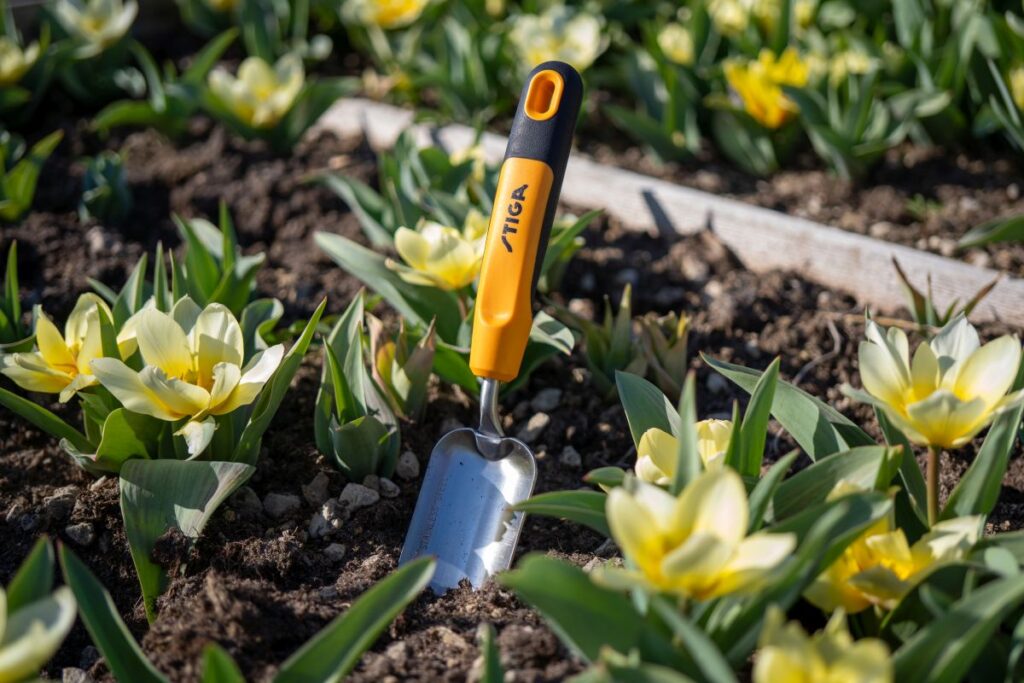
Alongside maintenance, many people dedicate time to cultivating plants. Growing ornamental plants or maintaining flower beds involves more than half of urban gardeners, with particularly high engagement in the UK (61%) and Italy (60%). Similarly, growing vegetables or herbs is a widespread practice, especially in Germany and France (61%).
More creative or design-oriented activities remain more niche. However, when it comes to planning or designing a garden, there are significant country-to-country differences. This rises significantly in France (43%) and Germany (38%), compared to the UK at 29%.
Beyond habits, what truly defines the urban gardener is mindset. Most urban gardeners in Europe say gardening improves their overall well-being. This perception is consistently strong, peaking in the UK (89%) and Italy (88%), followed by Spain (84%), France (82%) and Germany (80%). The care of greenery in urban corners can be seen as a small but meaningful ritual that may bring benefits beyond simple enjoyment: in an increasingly fast-paced and urbanised lifestyle, caring for plants is emerging as a way to slow down, reconnect with natural rhythms and create moments of balance within the day.
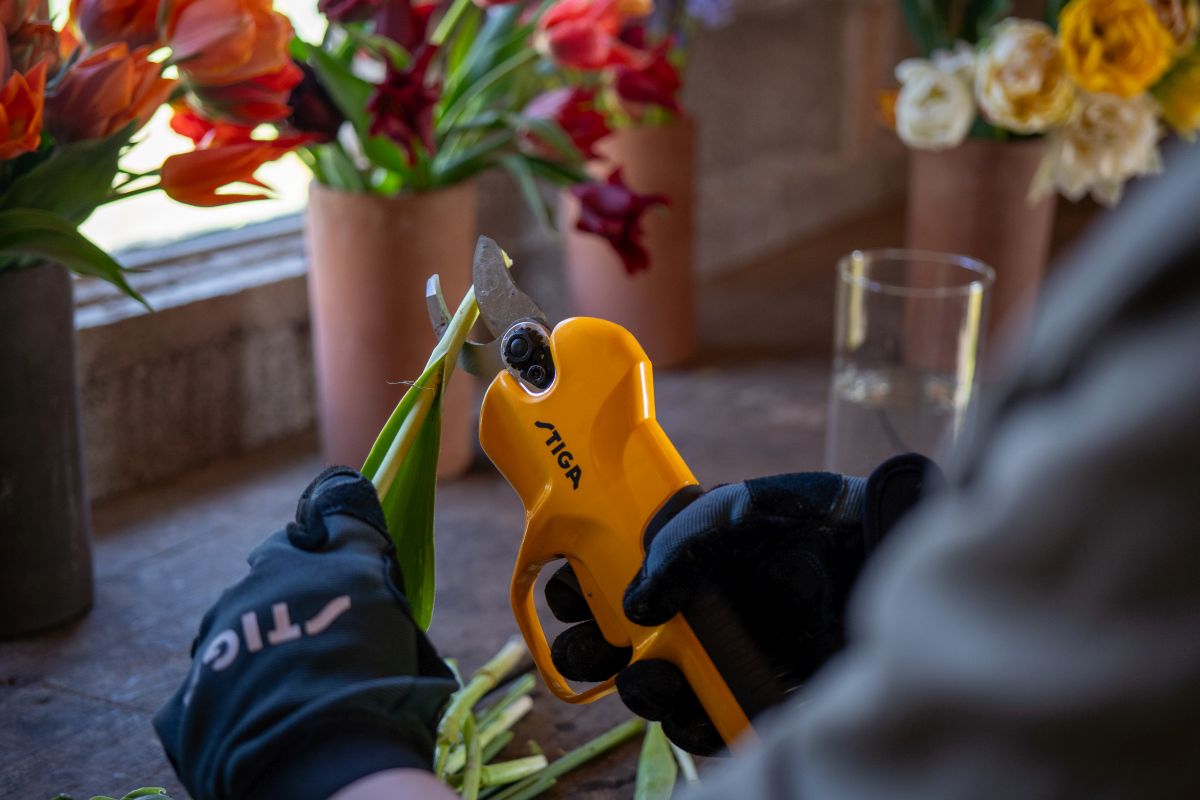
As gardening becomes more integrated into urban life, tools are evolving too. To support this shift toward simpler, more accessible green care, solutions like STIGA’s SC 100e battery-powered pruner are designed for compact spaces such as balconies, terraces or small gardens. Lightweight, ergonomic and easy to handle, SC 100e enables precise pruning of shrubs and small branches with minimal effort. Its high-quality carbon steel blades and adjustable cutting settings ensure accuracy, while the STIGA ePower battery delivers reliable performance and long autonomy. Designed for both beginners and experienced users, it reflects the growing demand for tools that make gardening easier, more intuitive and more enjoyable.
The modern urban gardener is flexible, practical and increasingly engaged, redefining what it means to “have a garden.” From window ledges to shared spaces, even the smallest urban corners are being actively used and maintained, becoming places of care and wellbeing. In this evolving landscape, it is no longer the size of the space that defines gardening, but the way people choose to engage with it.