

Garden Retail Trends Report – UK Garden Centre Industry Insight 2025
A strategic overview of the market forces, consumer behaviour, category movements and commercial trends shaping the UK garden centre trade. Drawing on GCA Barometer of Trade figures, HTA Market Updates, Mintel research, news from Bira, BHETA and other sources, this report highlights the key areas buyers and managers need to focus on for the year ahead*.
Garden Retail in Numbers
- GCA data shows all 13 departments positive in several recent months, with particularly strong performances from Christmas, gifts, clothing, catering and food hall.
- BIRA surveys highlight how many independents are seeing softer footfall than pre-pandemic, underlining how impressive garden centre growth has been in a tough trading climate.
- Mintel and OBR analysis both point towards a low-growth, high-cost environment – making margin management and value perception critical.
Pet & Wildlife in Numbers
Pets, wildlife and aquatics now represent one of the most reliable repeat-purchase engines in garden retail. A few headline indicators help to show the scale of the opportunity:
- Dog ownership has risen sharply over the last decade, with around a third of UK households now owning at least one dog, driving sustained demand for food, treats, health products and accessories.
- The wider pet care market is worth many billions of pounds annually, with consumers increasingly treating pets as family members and prioritising spend on their wellbeing and enrichment.
- Birdwatching and garden wildlife engagement continue to grow, with hundreds of thousands of people taking part in national garden bird surveys and millions more feeding birds and supporting wildlife at home.
- Aquatics remains a sizeable specialist hobby, with significant annual spend across livestock, tanks, filtration, treatments and decor, particularly in destination centres with dedicated departments.
- Pet, bird and wildlife shoppers tend to visit more often than purely seasonal gardeners, making these categories vital for year-round footfall and basket-building.
As expanded in Section 8, the pet and wildlife categories have become powerful engines of repeat visits and basket growth — turning emotional connections into some of the most dependable revenue streams in modern garden centres.
1. Changing Garden Retail Consumer Behaviour
The modern garden centre customer is more informed, more digitally influenced and more lifestyle driven than ever. Traditional core customers remain highly engaged around plants and outdoor living, while younger shoppers are drawn in by houseplants, food, gifting and social media inspiration.
Customers increasingly expect curated ranges, strong visual merchandising, knowledgeable staff and an experience that feels closer to a leisure day out than a purely transactional shop. Reviews, influencers and online research all shape expectations before a visit even starts.
2. Houseplants & Indoor Gardening
The houseplant boom has stabilised but remains a key driver of younger and urban customers. Easy-care foliage, statement plants and on-trend varieties continue to perform, even where year-on-year growth has eased from earlier peaks. Accessories – pots, misters, feeds and decorative stands – offer excellent margin and cross-merchandising opportunities.
When weather is sub-optimal or wider garden sales soften, indoor gardening provides continuity and keeps plant interest alive all year round.
Houseplant trends and demographics
Research suggests 16–34 year-olds are the most promising growth segment for cut flowers and houseplants, with many seeing plants as lifestyle and wellbeing purchases rather than traditional “gardening”. At the same time, cost-of-living pressures mean some are buying fewer plants overall or trading down in price – so value ranges and clear care information are increasingly important.
Consumer studies consistently show a majority of plant purchasers want more advice on how to keep plants healthy for longer.[4] That is a clear opportunity for garden centres to differentiate on service, signage and after-care content. Trend forecasts from the RHS and others point towards more houseplants in smaller urban spaces, with a focus on air-purifying, easy-care foliage, container gardening, balcony gardening, vertical growing and species that support wellbeing, for example, by helping to purify the air.
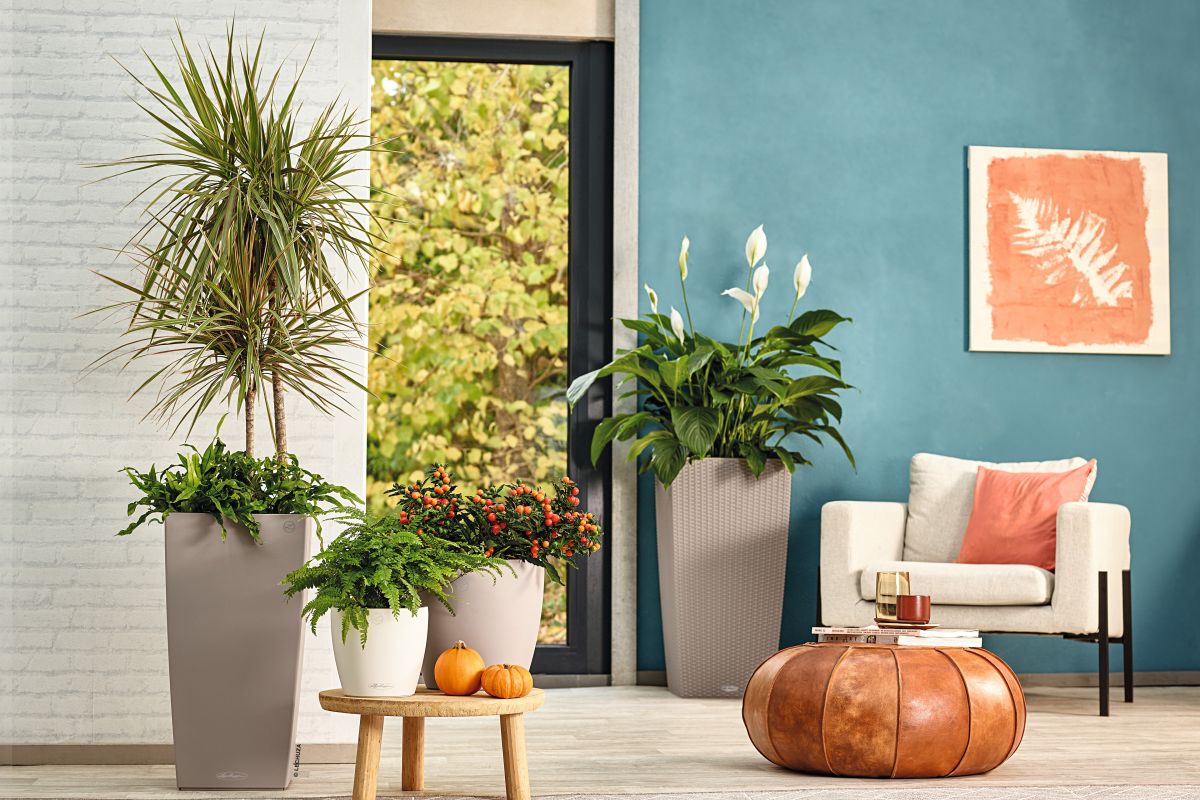
Image below: Lechuza
3. Outdoor Plants, Grow‑Your‑Own & Climate‑Conscious Gardening
Outdoor plants remain the emotional heart of the garden centre, but performance has become more weather sensitive. GCA figures show months where outdoor plant sales have dipped even while non-gardening categories grew strongly. However, seeds, bulbs and grow-your-own ranges have posted solid gains, reflecting consumer interest in value, food resilience and wellbeing.
Customers are increasingly asking for pollinator-friendly, drought-tolerant and climate-resilient choices. Clear information, signage and staff training in these areas make a significant difference to conversion.
Plant trends outdoors – climate and wildlife
Current planting trends emphasise resilient, planet-friendly schemes: drought-tolerant perennials, Mediterranean species, tougher shrubs and long-lived structural plants.[5] Wilder, looser “meadow-style” borders, native wildflowers, ornamental grasses and lawn alternatives are now firmly mainstream rather than niche.
Grow-your-own remains a structural trend. Industry data shows ongoing growth in interest in fruit and vegetable growing, with questions shifting from yield towards environmental impact and provenance. Tomatoes, cucumbers, salads, beans and soft fruit remain top choices for novice growers. Seeds and bulbs have performed particularly strongly in recent HTA updates, often out-pacing other plant categories.
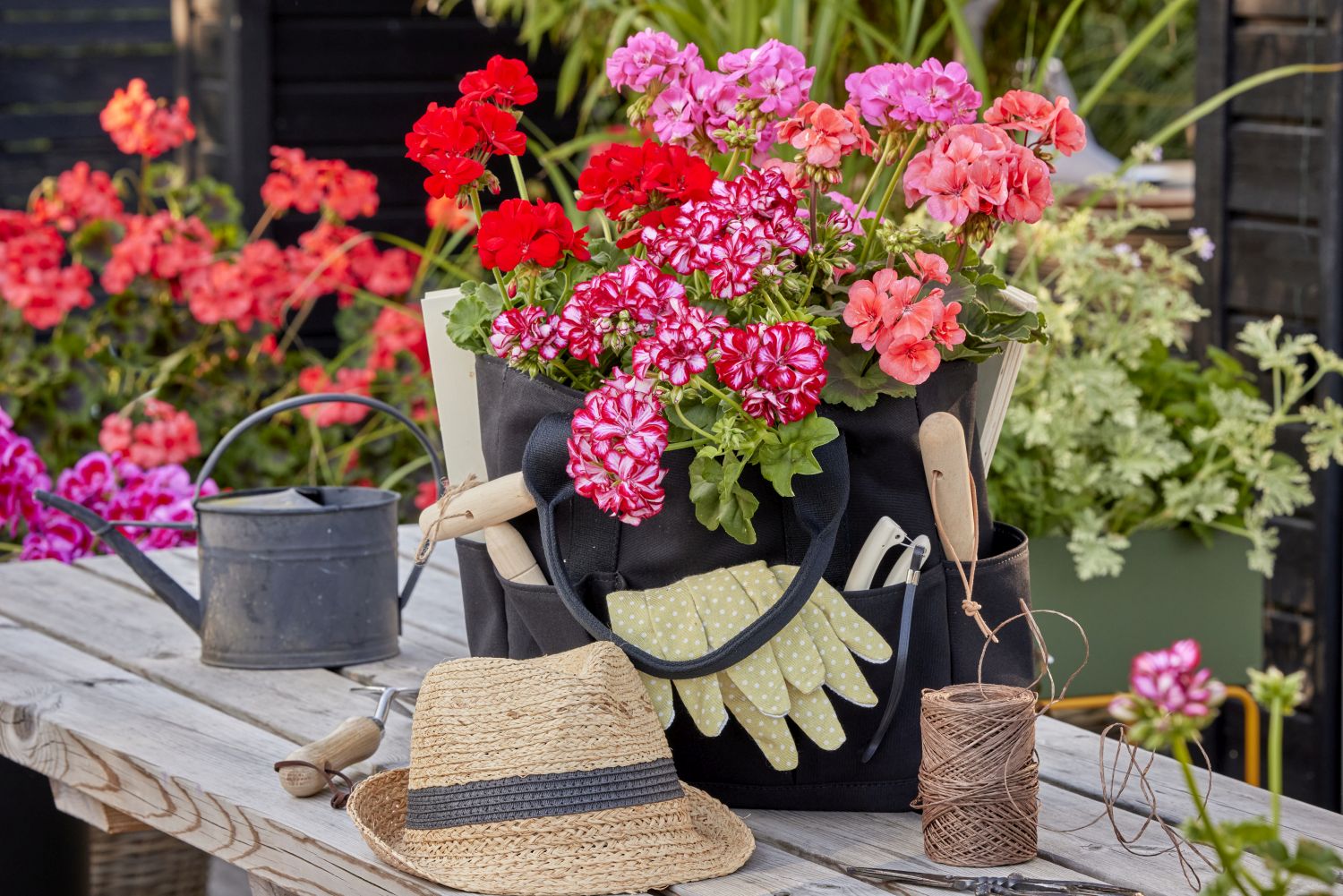
Image below: Pelargonium for Europe.
4. Sustainability as a Core Buying Filter
Peat-free compost, reduced plastic, recycled materials and responsible sourcing have moved from niche talking points to mainstream expectations. HTA research underlines the wider economic and environmental value of UK gardens, while government and media scrutiny continue to push retailers and suppliers to demonstrate credible, measurable progress.[3]
Centres that clearly communicate their sustainability journey, work closely with suppliers on packaging and provenance, and back up claims with real data are better placed to win trust and long-term loyalty.
5. British Growing, Domestic Production & Sourcing Trends
The UK’s commercial ornamental plant and tree sector is valued at well over a billion pounds a year, with a core of specialist growers supplying hardy nursery stock, bedding, perennials and trees to garden centres across the country. In recent years domestic production has grown modestly in value, but the UK still imports a significant volume of young plants, bulbs and liners from Europe and beyond, particularly for crops that are difficult or inefficient to propagate at scale in UK conditions.
Are garden centres buying more British?
There is a clear shift towards British-grown stock wherever feasible. Biosecurity, traceability and shorter, more reliable supply chains are major drivers, alongside consumer interest in supporting local growers and reducing the environmental footprint of plant miles. Many centres are now flagging British-grown lines in POS, building direct relationships with regional nurseries and using national campaigns around tree planting, peat-free growing and pollinator-friendly plants to showcase domestic production.
At the same time, the supply chain remains inherently international. A large proportion of UK growers still import young plant material, and certain seasonal or specialist lines continue to rely on continental production. For buyers, the opportunity lies in blending the best of both worlds: maximising British-grown ranges where quality, availability and price stack up, while maintaining strong, well-managed links with overseas suppliers for key strategic lines.
6. Supplier Landscape & Product Innovation
The supplier landscape continues to shift as manufacturers, growers and distributors broaden product ranges, consolidate operations and invest in sustainability-led innovation. Buyers are seeing more exclusive garden centre ranges, premiumisation in pots, decor and accessories, and a growing number of specialist niche brands alongside established names.
Suppliers that support their ranges with reliable stock availability, strong merchandising support and compelling consumer storytelling are best placed to secure space and help drive sales in a competitive environment. Major industry buying groups still have a strong hold on the market, however, which diminishes product variety between many garden centres and makes it more difficult for newcomers to penetrate certain categories.
7. Christmas & Seasonal Theatre
As with the high street and retail generally, Christmas remains one of the highest-margin and most brand-defining categories in garden retail. GCA figures regularly show Christmas in the top three performing departments during Q4, with many centres reporting double-digit increases in key months. Retro nostalgia, natural textures, metallic luxe, sustainable materials and immersive in-store theatre all feature strongly in Christmas decorative displays. Woodland animals and other motifs, fairytale characters, artificial foliage and – more recently – oceanic themes and birds – also figure highly in the festive displays of many outlets.
Early buying at the start of the year, clearly defined themes, impactful displays and strong cross-merchandising with gifting, lighting and home fragrance are common features of high-performing Christmas departments. Bring on the Santa’s Grottoes and think about offering engaging workshops around wreath making, for example, to help attract even more customers in store at this time of year.

8. Pet & Wildlife as a Resilient Growth Category
Pet and wildlife continues to be one of the most resilient categories in garden retail, driven by high loyalty and repeat purchasing rather than one‑off seasonal peaks. The surge in pet ownership during and after lockdown, particularly of dogs, has created a very large, emotionally driven customer base that now expects garden centres to cater for pets as part of the family day out.
Dogs as a growth and profit driver
Dog ownership has stabilised at historically high levels, and for many households the garden centre has become a dog‑friendly destination for regular walks, coffee and browsing. This supports repeat, high‑frequency spend on food, treats and health products, alongside high‑margin accessories such as beds, coats, toys and gifts. Seasonal events – from “Santa Paws” to pet birthdays – add another layer of discretionary spend, often with average transaction values well above standard shopping trips.
Will the pet boom last?
While the immediate “pandemic puppy” spike has passed, the underlying humanisation trend looks long‑term. Younger shoppers in particular see pets as part of their lifestyle and wellbeing, and are prepared to prioritise spending on them even when other discretionary budgets are under pressure. The risk for garden centres is not that the pet bubble bursts, but that routine, commoditised purchases migrate online if the in‑store offer is weak. Centres that curate ranges carefully, offer knowledgeable advice and create a genuinely dog‑friendly experience are best placed to retain both spend and loyalty.
Birdwatching, wildlife and nature‑positive ranges
Bird and wildlife care provide another powerful, repeat‑purchase engine for the category. Strong engagement with garden bird surveys and conservation campaigns translates directly into demand for bird feeders, seeds, suet, nest boxes, baths and wildlife habitats. These ranges allow centres to trade up from basic bulk feed into value‑added mixes, premium brands and “season‑long” feeding solutions, underpinned by simple advice on feeding responsibly and supporting biodiversity.
Aquatics and indoor fishkeeping
Aquatics remains an important specialist category for many mid‑ to large‑format garden centres. Dedicated aquatic departments – whether operated in‑house or by concession partners – drive destination traffic and support strong sales in livestock, tanks, filtration, treatments and decor. The category is more complex to operate than dry pet goods, but in the right location it reinforces the centre’s status as a comprehensive home‑and‑garden destination and encourages families and hobbyists to visit regularly.
Across pets, wildlife and aquatics, the common thread is emotional engagement and repeat visits. The most successful centres join these elements up – a dog‑friendly welcome, inspiring wildlife displays and a well‑run aquatics offer – to create a compelling “nature and wellbeing” proposition that customers return to throughout the year.
9. Home, Gift & Lifestyle as a Core Revenue Stream
Home, gift and lifestyle categories have moved firmly into the mainstream of garden retail. GCA barometer results across 2024–25 show gifts, clothing and related lifestyle departments regularly delivering robust growth and, in some months, outperforming core horticulture. These ranges support higher average transaction values and give customers reasons to visit outside traditional gardening seasons.

Home, gift and lifestyle has evolved from a bolt-on to a core pillar of modern garden retail. In leading centres this now includes clothing and fashion accessories, greetings cards and wrap, candles and home fragrance, books and stationery, toys, games and puzzles, plus a wide mix of impulse gifts. Together these ranges support higher average transaction values and provide compelling reasons to visit outside the peak gardening seasons.
Clothing and fashion accessories
Clothing and accessories departments have grown significantly in many destination centres, with carefully edited ranges of knitwear, outerwear, slippers, handbags, scarves, socks and jewellery from recognisable brands. The core shopper is typically 35–65, often female, visiting with family or friends and combining a café visit with relaxed browsing. Because much of the offer is non-size-critical, centres can achieve good margins with relatively shallow size curves, while using colour, texture and brand storytelling to drive impulse purchases and gifting. The growing importance of this sector is reflected in the offering presented at industry trade events such as Glee, Spring Fair and Giving & Living, which all have significant offerings of apparel and accessories.
Cards, stationery and gift books
The UK greeting card and stationery market is both large and remarkably resilient, with consumers spending well over a billion pounds a year on single cards alone and many more billions on gifts and celebration essentials. For garden centres, a well-merchandised card, wrap and stationery department offers high-margin, high-footfall space that naturally anchors gifting. Specialist publishers and brokers such as Woodmansterne, UK Greetings and others play a key role in the garden centre channel, supplying broad ranges that cover birthdays, Christmas, spring seasons and everyday sending occasions, often with exclusive designs and tailored display solutions.
Cards, journals, notebooks and gift books cross-merchandise effectively with candles, home fragrance, mugs and small accessories, encouraging shoppers to build “little gift stacks” around key occasions such as birthdays, Mother’s Day, Father’s Day and Christmas. The most successful centres treat this space as a curated celebration hub rather than a functional add-on.
Occasion-led gifting and seasonal footfall
Gifting peaks follow the wider celebration calendar – birthdays and Christmas remain dominant, with Mother’s Day, Valentine’s Day, Easter and Father’s Day providing important spring and early-summer spikes. The best-performing garden centres plan their home and gift ranges around these key windows, building clear seasonal stories in-store and online. Themed displays at entrances, targeted email and social media campaigns, and café-led experiences such as Mother’s Day afternoon teas or Father’s Day breakfasts all help to drive visits in the crucial weeks before each event.
Pre-curated gift tables at clear price points, simple add-on prompts at the till (cards, wrap, chocolate, candles) and strong cross-merchandising with plants, especially for Mother’s Day and Easter, all help convert seasonal interest into higher basket values.
Games, puzzles and family time
Games, jigsaws and premium crafting kits have become a valuable part of the home and lifestyle mix, particularly for Christmas, school holidays and wet-weather days. Brands offering high-quality jigsaw puzzles, family board games and educational children’s games fit naturally into a garden centre environment and offer year-round gifting potential. Positioned alongside books, toys and gifting – rather than in isolation – these ranges support the wider “cosy night in” and wellbeing narratives that resonate strongly with many garden centre customers.
Overall, the home, gift and lifestyle sector allows garden centres to extend their reach well beyond the traditional gardening season, deepen relationships with existing customers and attract new visitors who may then be introduced to plants and core gardening categories.
10. Economic Pressures & Value Perception
Inflation, energy costs and wider economic uncertainty continue to shape consumer spending, with the average British consumer having less disposable income than they did ten years ago. While garden retail has proven comparatively resilient, buyers report greater sensitivity to price points and perceived value. Shoppers are willing to pay for quality and experience, but are more selective and expect clear justification for premium pricing.. Where money is tight, many consumers will choose experiences and a taste of life’s little luxuries – lunch out with friends or a pampering session at the spa – over discretionary spending on homeware and gifts.[7]
Surveys from trade bodies such as BIRA show many independents experiencing softer footfall and tighter spend than in previous years. In this context, balancing entry price points with trade-up options, managing stock risk tightly and using promotions strategically rather than reactively are all key disciplines for the year ahead.
11. Food, Catering & Hospitality – The Economic Engine
Catering and food by the numbers
In recent GCA reports, catering has recorded year-on-year growth of around 9–13% in several months, with food hall often close behind. In some periods, non-gardening categories – catering, food hall, gifts and clothing – have contributed a disproportionate share of overall sales growth, helping to offset softer outdoor plant performance.
Speciality foods, delis and farm shops tap into demand for local, artisan and provenance-rich products and generate strong gifting sales, particularly in Q4. Cookshops and kitchenware departments bridge the gap between food and home, linking into barbecues, pizza ovens, dining and tabletop.
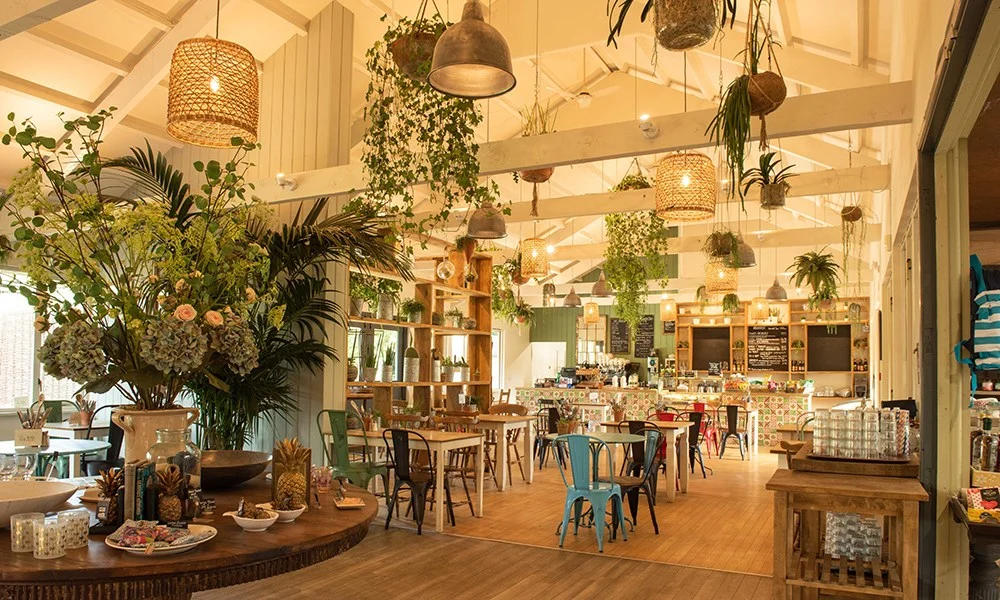
Pictured below, the beautiful Crocus dining area at Dorney Court, Berkshire.
12. Trade Shows, Events & Industry Networking
Major trade events such as Glee, Four Oaks, Landscape, Futurescape, Solex, IPM Essen, Spring Fair and the GIMA Awards remain key points in the trade calendar. They allow buyers to benchmark ranges, discover innovation and firm up seasonal commitments early. The continued growth of home, gift, clothing and food sectors at these events mirrors the diversification of the garden centre offer.
Alongside this, regional meetings, conferences and study tours run by the GCA and HTA provide valuable benchmarking and best-practice sharing, particularly around retail standards, catering and customer experience. The UK garden industry is fairly close knit, especially on the supplier side, where semi-formal networking and charity events are very useful for making contacts and keeping up to date with industry developments. Much of this is centred on recognised industry charity, Greenfingers Charity, which provides gardens for children’s hospices.
13. Digital Influence & Marketing
Digital channels increasingly shape how customers discover, research and engage with garden centres. Social media content, email marketing, online booking for events and QR-linked advice all contribute to a joined-up experience. Houseplant trends, outdoor living ideas and seasonal inspiration now travel rapidly via Instagram, TikTok and Pinterest, influencing what customers expect to find in store.
PR and communications specialists working with the sector emphasise that professional, consistent storytelling across PR, social media and in-centre marketing is now essential for garden centres that want to cut through in a competitive, experience-driven market.
14. International Trade, EU/Ireland & Supply Chain Challenges
Cross-border trade has become one of the most strategically important – and complex – areas for UK horticulture and garden retail. Industry campaigns highlight that the vast majority of British plant and tree growers import some plant material from abroad, particularly young plants and liners that are not practical to produce at scale in the UK. This makes the sector highly exposed to changes in border controls, plant health regulations and logistics costs.[9]
Post-Brexit sanitary and phytosanitary checks, documentation and physical inspections have added time and cost to moving plants, seeds and other regulated goods between Great Britain, Ireland and the EU. Trade statistics show noticeable declines in some categories of agri-food and plant-related trade, with higher friction and paperwork especially acute for time-sensitive, perishable products.
There are some signs of improvement as new SPS arrangements are negotiated, but until these are fully implemented buyers need to plan for extended lead times, higher minimum order quantities and the potential for sudden disruption. Diversifying supply where possible, working closely with suppliers on forecasting and building more contingency into seasonal buying – especially for high-risk categories such as young plants, trees and certain seeds – are all prudent strategies.
15. Key Supply-Side Challenges for Garden Centres & Growers
Behind the scenes, the garden centre supply chain is dealing with a combination of structural and short-term pressures that shape what appears on the shop floor. Understanding these challenges helps buyers make more informed decisions on range, pricing and supplier partnerships.
- Post-Brexit border friction – Additional inspections, documentation and logistics complexity have increased the cost and risk of moving plants, seeds and other regulated goods, particularly between Great Britain, Ireland and the EU. This has raised landed costs and made just-in-time deliveries more difficult.
- Labour and skills – Growers and suppliers continue to report difficulties recruiting and retaining skilled staff, especially seasonal workers and technical roles in propagation, production and logistics. Wage inflation and competition from other sectors are pushing labour costs higher.
- Energy and input inflation – Heating glasshouses, running irrigation systems, sourcing growing media and moving stock around the UK all remain significantly more expensive than in the pre-2020 period. These costs ultimately feed through into wholesale and retail prices.
- Climate volatility and crop risk – Unpredictable weather patterns, including very wet springs, late frosts and summer heatwaves, are increasing wastage, reducing yields and making it harder to match production cycles to demand. Growers are having to build more resilience into cropping plans, often at higher cost.
- Peat-free transition – The move away from peat is essential but technically demanding. New substrates, new supply chains and more grower training are required to maintain quality and consistency, and there is limited room for error on high-volume seasonal crops.
- Stock risk and cash flow – Highly seasonal, weather-sensitive demand means centres are exposed to overstocking when conditions are poor. Managing intake, markdowns and multi-channel routes to market is critical to protecting cash and margin.
- Channel competition – Online pure-plays, generalist retailers and discounters continue to compete aggressively in commoditised areas such as pet, hardware and some garden sundries. Suppliers and centres must differentiate through service, expertise, exclusivity and experience rather than price alone.
For garden centre buyers, the implication is clear: strong, open relationships with suppliers, realistic forecasting, flexibility in ranging and a clear value story for customers are more important than ever if the sector is to grow profitably.
16. Voices from the Shop Floor
While national data sets out the big picture, the lived reality in centres across the UK is a mix of strong top-line growth and real margin pressure. Recent trading updates and award citations from groups and independents give a useful snapshot of what’s happening “on the ground”.[10]
Blue Diamond & Barton Grange – destination retail in the North West
Blue Diamond’s recent results have shown strong double-digit growth in both garden centre and restaurant sales, with plants, gardening, garden furniture and home all performing particularly well. The group’s acquisition of Barton Grange – itself a multi-award-winning destination garden centre praised for its plant areas, farm shop, cookshop and catering – underlines the importance of combining horticultural excellence with hospitality and retail theatre. Pictured below is Barton Grange.
Klondyke – solid growth, but cost pressure
In Scotland and the North, Klondyke has reported healthy sales growth but with profit margins squeezed by higher wage and operating costs. The group’s experience is typical of many: strong customer demand, especially in restaurants, but higher costs eating into the bottom line.
British Garden Centres – scale, weather and efficiency
British Garden Centres, now the UK’s largest family-run group, has described recent results as a solid performance despite challenging weather, with modest sales growth translating into much stronger profit growth thanks to operational focus and cost control.
GCA award-winners and leading independents
Across GCA Garden Centre of the Year and regional winners such as Cowell’s, Barton Grange, The Old Railway Line, Bents, Tong and others, a consistent pattern emerges: exceptional plant quality and layout, strong catering and food offers, inspiring seasonal displays and consistently high standards of customer service. These centres demonstrate what success looks like when plants, hospitality and experience-led retail all work together.

17. Strategic Takeaways for Garden Centre Buyers
- Treat catering, food, home and gift as strategic profit centres, not peripheral add-ons.
- Use GCA, HTA and other data to track category performance and rebalance space, stock and staffing accordingly.
- Double down on horticultural expertise while embracing lifestyle, food and experience-led retail.
- Invest in sustainability across plants, hardware, packaging and sourcing – and communicate clearly with customers.
- Blend inspiration, education and commercial discipline in plant and product ranges to maximise both volume and margin.
- Manage economic and trade headwinds proactively by tightening cost control, diversifying supply and planning contingencies.
- Leverage digital channels and in-centre events to reinforce your position as a trusted local destination for garden, home, food and lifestyle.
Garden centres that combine strong horticultural credentials with compelling hospitality, curated non-gardening ranges and data-led buying are best placed to thrive in the next phase of the market.
*This report is copyright protected by the publisher of Garden Centre Buyer magazine, Gifts & Greetings Review Ltd. Anyone wishing to use extracts in whole or in part must credit Garden Centre Buyer and link back to this original report.
References
- Garden Centre Association (GCA) – Barometer of Trade reports 2023–2025, monthly category performance including plants, gifts, Christmas, clothing, catering and food hall.
- Horticultural Trades Association (HTA) – Market Update bulletins 2023–2025, garden centre sales values, transaction trends and category commentary.
- HTA economic value studies – reports on the economic contribution of UK gardens and horticulture to GDP, employment and local economies.
- Mintel – UK garden products and flowers & houseplants reports, covering consumer behaviour, age-group trends and demand for plant care advice.
- RHS and horticultural media – plant trend predictions for houseplants, wildlife gardening, meadow-style planting, climate-resilient schemes and grow-your-own.
- BHETA & GlobalData – research into DIY and garden shopping behaviour, highlighting the continued importance of physical stores for these categories.
- BIRA, OBR & CBI – independent retail surveys and UK economic outlooks, highlighting cost-of-living pressures, inflation and their impact on discretionary retail.
- Catering and food performance data – GCA Barometer of Trade catering and food hall figures, and HTA commentary on destination behaviour and dwell time in garden centres.
- UK and EU trade / SPS sources – UK government and EU communications, Central Bank of Ireland analysis and horticultural trade briefings on post-Brexit movement of plants and agri-food.
- Retailer and award insights – published accounts and industry coverage of Blue Diamond, Klondyke Group, British Garden Centres and GCA award citations for centres such as Barton Grange, Cowell’s, The Old Railway Line and Hillier.