As the industry moves through the latter stages of quarter one, attention is firmly on the opportunities that will define the 2026 season. But for GIMA members, the conversation isn’t about starting fresh, it’s about building on what the last 12 months have revealed. Because while 2025 delivered steady performance for many, it also exposed some of the key pressures that are now shaping how suppliers – and retailers – are planning ahead.
A year of progress… but not without pressure
Growth stories were certainly there. Targeted investment, product refinement and a stronger focus on design all delivered results for many businesses.
Ian Clark, Taylor & Sons Bulbs, reported “double digit growth” driven by premiumisation and improved presentation, while Heather Scott, Nordlux UK & Eire, highlighted continued momentum in outdoor lighting, now a significant contributor to overall sales.
But alongside these successes, GIMA members revealed a consistent undercurrent: trading conditions required far greater agility than in previous years.
Rising costs across raw materials, freight and energy, were widely cited, alongside ongoing pressure on margins. At the same time, a more cautious consumer meant that price sensitivity became a much bigger factor in purchasing decisions.
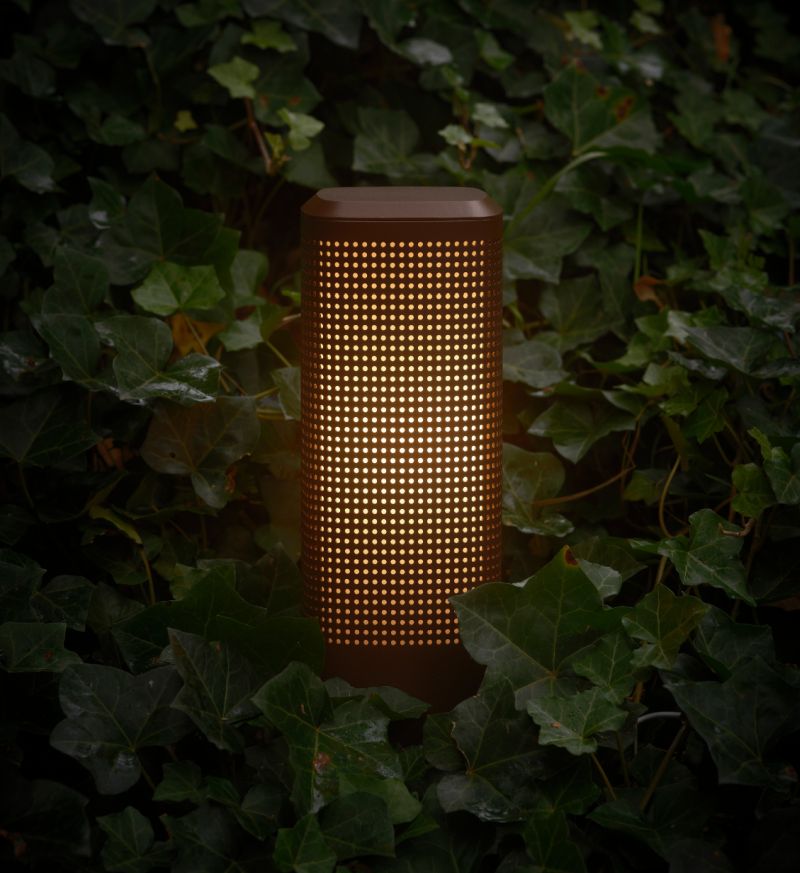
As Molly Hughes, Ascalon Design, noted, demand remained strong, but increasingly focused on “well-designed, affordable garden décor”, reinforcing the need to deliver value without compromising on style.
Weather also remained a critical variable. Unpredictable conditions disrupted traditional seasonal peaks, compressing key selling windows and making forecasting more difficult.
A more demanding consumer landscape
One of the clearest themes emerging from member feedback is that the consumer hasn’t disengaged but they have become more discerning. The garden continues to evolve as a lifestyle space. As Naomi Bentley, Charles Bentley, explained: “Gardens have become spaces for relaxing and entertaining, with shoppers looking to create a welcoming extension of the home.”
However, that demand is now paired with higher expectations. Consumers are taking longer to make decisions, comparing more options and expecting clearer justification for spend. Products must demonstrate not just aesthetic appeal, but longevity, functionality and ease of use. This is particularly evident in categories where performance is critical. Whether it’s growing media, landscaping products or plant care, results are increasingly non-negotiable.
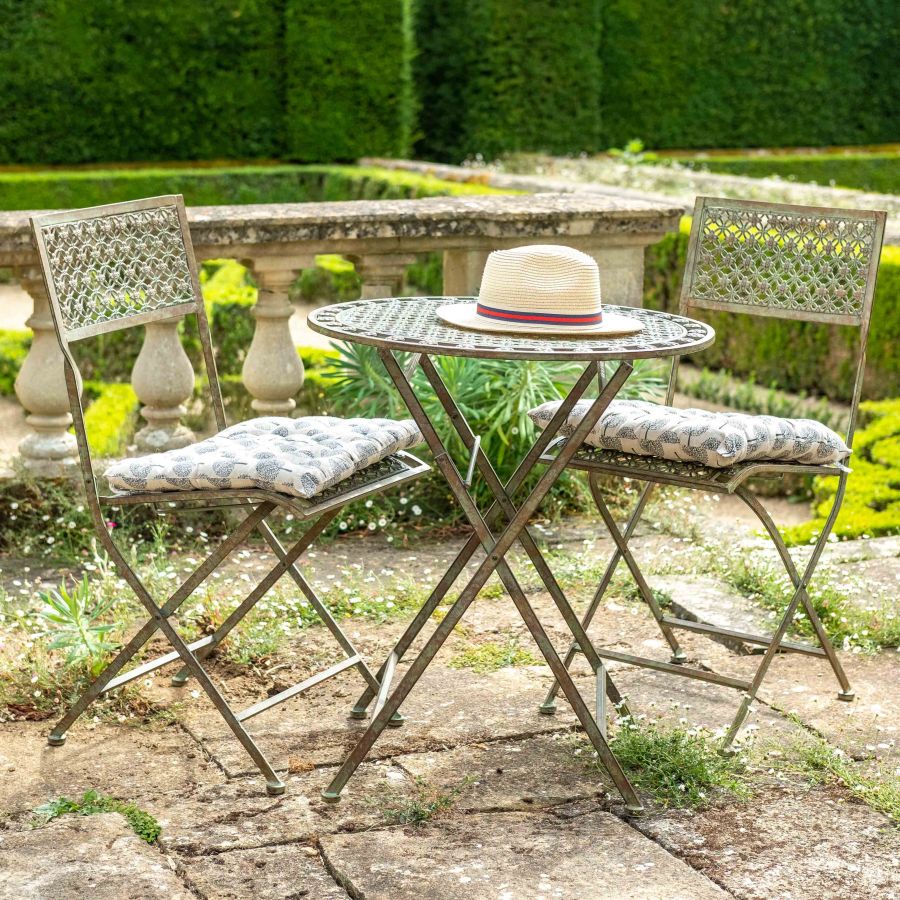
At the same time, sustainability is no longer a secondary consideration. David Nicholson, elho, pointed to continued momentum in eco-conscious ranges, with consumers actively seeking products that support biodiversity and responsible material use.
Carrying those realities into 2026
These pressures have not eased with the turn of the year. If anything, they have become more embedded in how businesses are operating. GIMA members describe a market that still offers strong opportunity, but one where success depends on sharper execution. As Sam Fox, Dandys Landscape Supply, summarised: “Consumer appetite remains strong, but expectations around value, sustainability and product performance are increasing.”
For suppliers, this means tighter product development, clearer messaging and greater emphasis on proving value. For retailers, it reinforces the importance of ranging decisions that balance aspiration with accessibility, ensuring that products not only attract attention but convert.
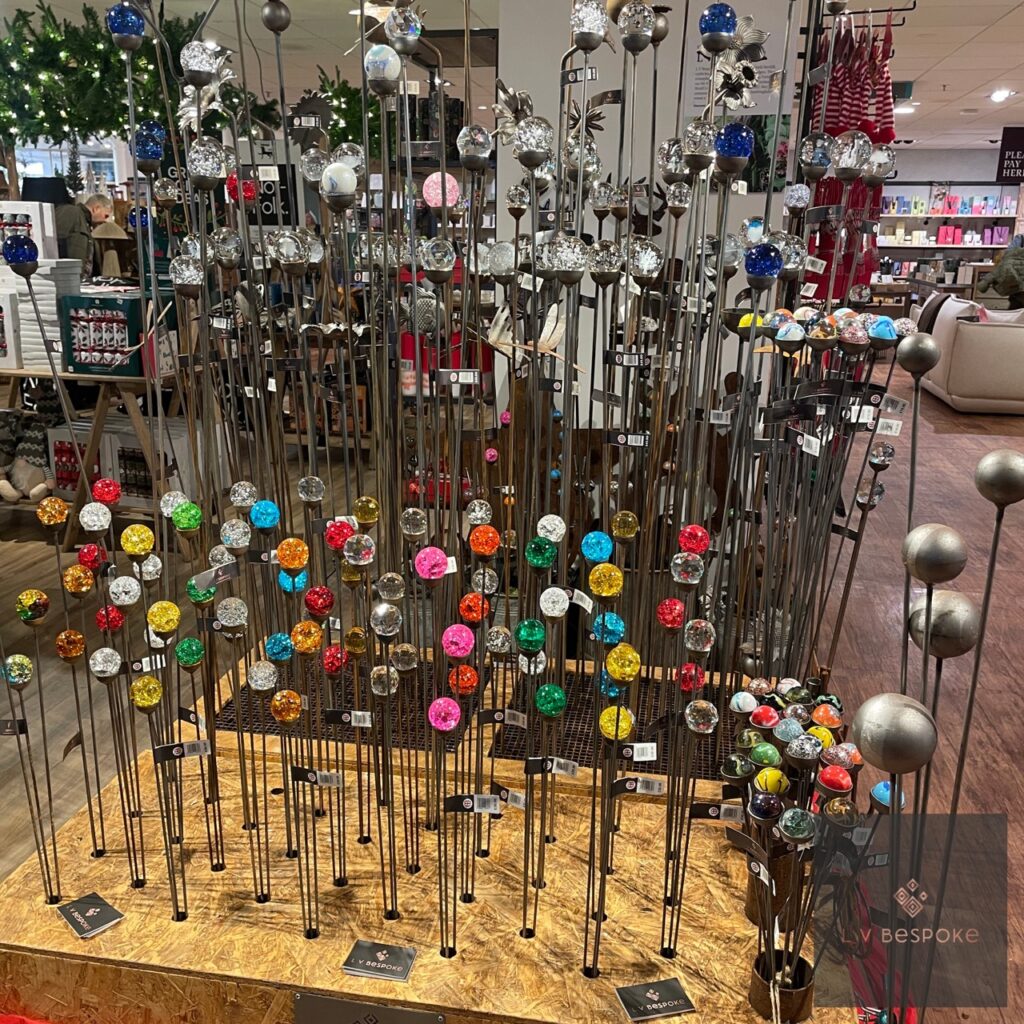
Partnerships are also playing a bigger role. Victoria Osborne, L V Bespoke, highlighted the importance of strong retail relationships in driving growth, particularly in a landscape where collaboration can help mitigate risk and unlock new opportunities.
The themes defining the season ahead
Drawing together both the opportunities and challenges highlighted by members, several priorities are clearly shaping 2026.
- Resilience through flexibility – with weather patterns and consumer behaviour less predictable, agility in ranging, stock management and merchandising is becoming increasingly important.
- Value as a central driver – cost pressures, both for businesses and consumers, mean value is under greater scrutiny. The winning products will be those that justify their price through design, durability and performance.
- Design that earns its place- style remains a key purchase driver, but it must be purposeful. Consumers are looking for products that enhance their space while delivering practical benefits.
- Sustainability as standard – environmental considerations are now embedded in decision-making. Products that fail to meet these expectations risk being left behind.
- Performance-led purchasing – with fewer impulse buys, consumers are prioritising products they trust to deliver results, placing greater emphasis on quality, trials and clear communication. As René Dijkman, outTrade B.V., put it, the challenge is “designing exceptional but affordable products”, a balance that sits at the heart of today’s market.
From insight to action
What stands out most from this month’s GIMA member responses is that the industry is not standing still. The experiences of 2025, both positive and challenging, are already informing smarter, more focused approaches to 2026.
For garden retailers, this creates a valuable opportunity. By understanding the pressures suppliers are facing and aligning with partners who are actively responding to them, there is real potential to build stronger, more resilient categories. Because while the market conditions may have shifted, the fundamentals remain the same: deliver value, inspire customers and provide products that genuinely perform. And in 2026, those who can do all three – consistently – will be the ones who lead the way.