As part of our ongoing collaboration with Garden Centre Buyer, we asked GIMA members to share their perspectives on four key areas shaping the industry right now – routes to market, regional performance, export dynamics and the impact of economic pressures on innovation. What emerges is a picture of a sector that is evolving with confidence, adapting its approach while holding firm on the fundamentals that drive growth.

Routes to market – evolving, not replacing
Across the board, there is a clear shift towards more diversified routes to market, but not at the expense of traditional channels. For many, retail remains the backbone of their business, supported by well-established sales teams and distributor networks.
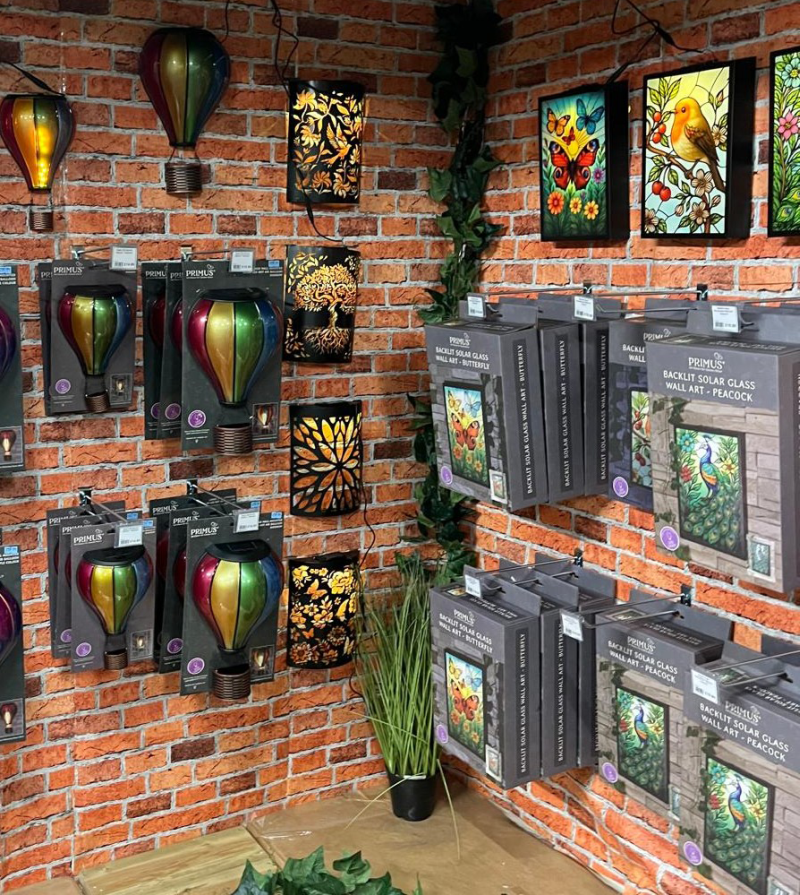
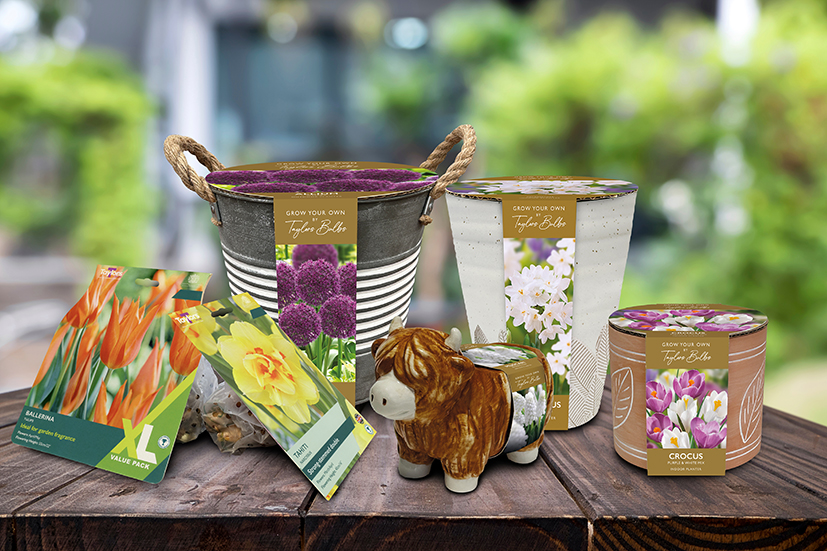
For companies like Primus and Taylor Bulbs, investment in experienced sales agents and direct relationships with garden centres continues to be central to success. These face-to-face interactions remain invaluable, particularly when it comes to range planning, merchandising support and building long-term partnerships.
At the same time, digital channels are gaining ground. Grass Gains highlights the growing importance of online sales, not just as a revenue stream, but as a way to engage directly with consumers and test messaging in real time. This insight is then fed back into retail strategies, strengthening the overall proposition.
For newer businesses such as SoilWorx, routes to market are still being established, with a current focus on distributors and white-label partnerships. Their experience reflects the importance of flexibility in the early stages of growth, allowing brands to build presence without overextending resources.

Trade shows – still crucial, but with a new purpose
Despite the rise of digital, trade shows remain a key pillar of the industry. However, their role is evolving. Rather than being purely transactional, events such as Glee are increasingly about relationship-building, brand storytelling and bringing product innovation to life. Buyers are arriving better informed than ever, having already done their research, which shifts the emphasis towards meaningful conversations and practical support.
Elho points to the importance of using shows to demonstrate how products translate to the shop floor, helping retailers turn trends like sustainability and ‘grow your own’ into compelling in-store experiences.
Meanwhile, GIMA Buyer Connect events are consistently highlighted as a highly effective format, offering direct access to decision-makers in a focused, time-efficient environment. For many members, these meetings are proving just as valuable, if not more so, than traditional exhibition formats.

Regional performance – more nuanced than a simple divide
When it comes to regional performance, the traditional North–South divide still exists, but the reality is more complex.
Some businesses, including elho and SoilWorx, report little to no significant geographical split, instead pointing to factors such as weather patterns or shifting demographics as stronger influences on demand. The rise of younger, sustainability-conscious consumers is beginning to reshape purchasing habits, cutting across regional boundaries.
Others, like Primus, are seeing clear regional variations in growth. While the North remains their largest market overall, the South is currently outperforming in terms of growth rate, suggesting a gradual rebalancing.
Grass Gains offers a slightly different perspective, noting that retailer confidence can vary significantly by region, influencing ranging decisions and willingness to invest in new products. Meanwhile, Taylor & Sons highlights the enduring strength of specific regions, with Scotland continuing to deliver strong sales driven by a clear consumer affinity for bulbs.
What is clear is that geography alone does not tell the full story. Demographics, retailer mindset and even seasonal weather variations are all playing an increasingly important role in shaping performance.
Export markets – stabilisation with lingering friction
Ten years on from Brexit, trade with the EU has, in many cases, stabilised, but that does not mean it is without challenges.
For larger or more established exporters, such as elho, the process has largely settled, with palletised shipments moving efficiently and only occasional issues remaining. However, there is a shared view that the added administrative burden has discouraged some UK businesses from pursuing EU opportunities. This is particularly evident among smaller companies. Grass Gains points to ongoing complexity and cost as a barrier to entry, with some EU suppliers even shifting logistical responsibility onto UK partners to avoid the paperwork themselves.
In response, some businesses have chosen to focus their efforts elsewhere. Primus, for example, has prioritised UK growth while remaining open to future export opportunities, while SoilWorx is seeing strong traction in Asia, where demand for organic and sustainable products is rising alongside increased consumer affluence. Interest from the Americas is also beginning to emerge.
For Taylor Bulbs, Ireland remains a key export market, with long-standing relationships and a commitment to service helping to navigate post-Brexit challenges successfully.

Innovation – more important than ever
Perhaps the most striking area of alignment across all contributors is the role of new product development. Far from scaling back, GIMA members are doubling down on innovation, recognising that in a tighter market, differentiation is critical. When consumer spending is under pressure, retailers become more selective, and only the most compelling products earn their place on the shelf.
For some, this means refining their approach. Elho highlights a focus on purposeful innovation, developing products that combine sustainability, durability and long-term value. Grass Gains echoes this, emphasising the need for focused, problem-solving innovation rather than broad range expansion.
Others point to the importance of agility. SoilWorx, as a smaller business, has been able to respond quickly to customer feedback, introducing new pack sizes and product blends to meet evolving needs.
Across the board, there is a shared understanding that innovation is not optional. It is a core driver of growth, customer engagement and long-term resilience.
A sector adapting with confidence
Taken together, these insights paint a picture of an industry that is not standing still. Routes to market are broadening, trade shows are evolving, regional dynamics are becoming more nuanced, and export strategies are adapting to a new reality. Above all, there is a strong sense of confidence in the role of innovation. Even in the face of economic pressure, GIMA members are continuing to invest, refine and push forward to ensure they remain relevant, competitive and ready for the opportunities ahead.